
Water Aloe Vera Plant Correctly: The Ultimate Watering Schedule
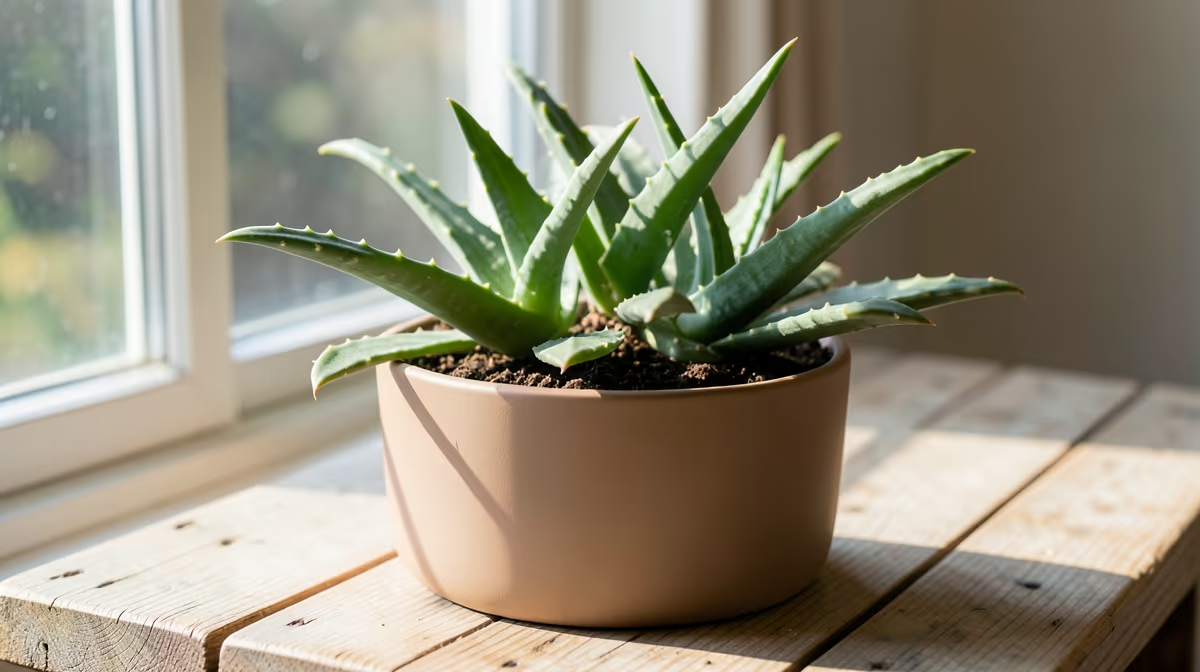
Knowing exactly when to water aloe vera plant containers keeps the leaves plump and prevents deadly root rot. While these resilient desert plants store moisture in their thick green leaves to survive dry spells, they quickly decline if their roots sit in soggy soil. Finding the right balance requires understanding your plant's environment rather than relying on a strict calendar.
The golden rule for aloe vera is to water deeply but infrequently, allowing the soil to dry out completely down to the bottom of the pot before watering again.
The Seasonal Watering Schedule
Your watering frequency must change with the seasons. Aloe vera plants undergo a distinct growth cycle that responds directly to daylight hours and temperature variations throughout the year.
During the active growing seasons of spring and summer, the plant experiences rapid growth. Warmer temperatures and longer days cause the soil to dry out much faster because of increased evaporation and plant transpiration. Conversely, in autumn and winter, the plant enters a dormant or semi-dormant state. During dormancy, its metabolic processes slow down significantly, meaning it requires very little moisture to sustain itself.
| Season | Growth Phase | General Watering Frequency | Soil Condition Before Watering |
|---|---|---|---|
| Spring & Summer | Active Growth | Every 2 to 3 weeks | Dry throughout the entire pot |
| Autumn & Winter | Dormancy | Every 4 to 6 weeks | Completely dry; leaf tips slightly soft |
Environmental Factors That Change Soil Drying Time
A calendar schedule is only a rough guideline because the microclimate of your room determines how quickly moisture leaves the soil. Several environmental elements dictate how long water remains in your plant's container.
- Sunlight Exposure: Plants placed on bright south- or west-facing windowsills receive intense light that warms the soil and accelerates evaporation. These plants will need water more frequently than those kept in softer, indirect northern light.
- Potting Material: Terracotta is a porous clay that allows air and moisture to pass through its walls, helping the soil dry out evenly and quickly. Plastic, fiberglass, or glazed ceramic pots trap moisture inside, requiring you to wait longer between waterings.
- Ambient Temperature and Humidity: High indoor temperatures and low humidity levels dry out potting mixes rapidly. In contrast, cool rooms or humid environments (like bathrooms) keep the soil damp for extended periods.
- Pot Size: Large pots hold a vast volume of soil that retains water much longer than a small root system can absorb. It is crucial to match the pot size to the size of the root ball to prevent waterlogged soil.
How to Accurately Test Soil Moisture
Never water your plant based on the look of the top layer of soil. The surface always dries out within a few days of watering, even if the root zone at the bottom of the pot is still soaking wet. Testing the lower layers of soil is the only way to prevent overwatering.
- The Skewer Test: Insert a clean wooden chopstick or bamboo skewer deep into the potting mix, pushing it all the way to the bottom of the container. Leave it for ten seconds, then pull it out. If the wood is darkened, damp, or has soil particles clinging to it, the mix is still wet and you should not water.
- The Lift Test: Lift the pot to gauge its weight. Soil that is fully saturated with water is significantly heavier than dry soil. By lifting the pot weekly, you will quickly learn to recognize the lightweight feel of dry soil that indicates it is time to water.
- The Moisture Meter: If you prefer digital precision, insert a mechanical moisture meter probe into the soil halfway down the pot. Wait for the needle to settle. For aloe vera, you should wait until the meter reads at the absolute lowest end of the "dry" spectrum before considering watering.
The Soak and Dry Watering Method
Succulents are physically adapted to thrive on a deluge-and-drought cycle. In their native arid environments, they experience heavy, short-lived rainstorms followed by prolonged periods of dry weather. The best way to duplicate this at home is through the soak and dry method.
Before you water aloe vera plant pots, always make sure the soil is completely dry from top to bottom.
- Take your potted plant to a sink, utility tub, or outside area to avoid mess.
- Pour water slowly and evenly over the soil surface, focusing on the root area around the base. Do not pour water directly into the center crown where the leaves meet, as trapped water in the leaf crevices can cause crown rot.
- Continue pouring until water flows freely out of the drainage holes at the bottom of the container. This ensures that the entire root system has access to moisture.
- Allow the pot to sit and drain completely for fifteen to twenty minutes.
Always discard any water that drains into the saucer after watering; letting the pot sit in standing water is the fastest way to kill an aloe vera plant.
Signs of Underwatering vs Overwatering
Your plant will show clear physical signs when its moisture balance is off. Learning to read these symptoms helps you correct your watering technique before permanent damage occurs.
Underwatering Cues
Overwatering Cues
Choosing the Right Soil and Pot for Moisture Control
Your soil choice directly impacts how often you need to water. Standard houseplants mixes hold onto moisture too long, making them unsuitable for desert plants.
- Soil Composition: Always use a potting medium formulated specifically for cacti and succulents. These mixes contain sand, perlite, pumice, or gravel, which allow excess water to flow through instantly. You can make your own by mixing two parts standard potting soil with one part coarse horticultural sand and one part perlite.
- Drainage Requirements: A pot must have at least one large drainage hole at the base. Avoid using gravel or rocks in the bottom of a holeless pot; this does not create drainage, but instead creates a perched water table that keeps roots permanently wet.
Frequently Asked Questions
Should I water aloe vera plant leaves directly?
No, you should never pour water over the top of the leaves or mist the plant. Water that pools in the center crown or between the leaf crevices can foster fungal pathogens, leading to crown rot.
Why are my aloe vera leaves turning brown and mushy?
Mushy, brown leaves are a classic sign of overwatering and root rot. You should immediately check the soil wetness, stop watering, and inspect the roots for decay.
How long can an aloe vera plant go without water?
An established, healthy aloe vera can easily survive for two to three months without water, especially during the cool winter dormancy phase. They are highly drought-tolerant but have very little tolerance for waterlogged soil.
Does aloe vera need more water in a terracotta pot?
Yes, terracotta is a porous clay that absorbs moisture from the soil and allows it to evaporate through the pot walls. Soil in terracotta pots dries out faster than soil in plastic or glazed ceramic pots, requiring slightly more frequent watering.
Conclusion
Watering an aloe vera plant successfully comes down to matching your watering frequency with how fast the soil dries out. Avoid calendar schedules and instead test the soil depth to ensure it is thoroughly dry before applying the deep soak and dry method. By keeping your plant in quick-draining soil, using a pot with drainage holes, and letting the soil dry completely, you will keep your aloe vera healthy, plump, and vibrant for years.


