
Grow Coriander at Home from Seeds: A Step-by-Step Planting Guide
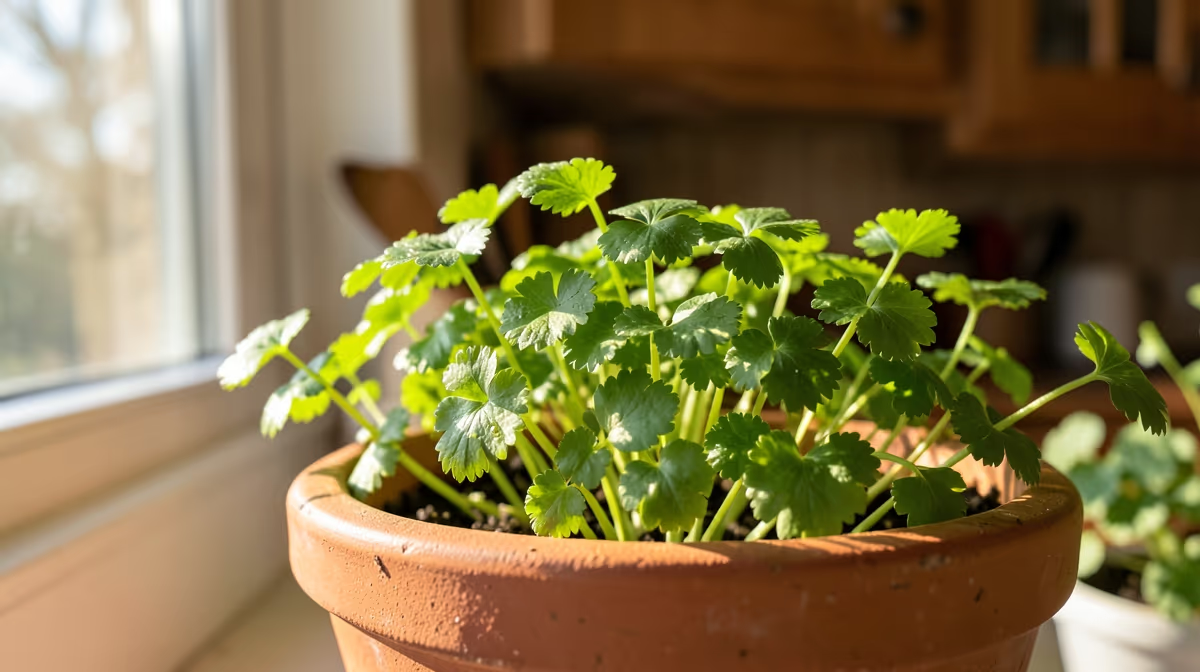
Growing your own fresh herbs is incredibly satisfying, and learning to grow coriander at home from seeds is the perfect place to start. This fast-growing herb, also known as cilantro, provides delicious leaves for your kitchen and fresh seeds for your spice rack with minimal effort.
Coriander grows best in cool weather and should be sown directly into well-draining soil, as its sensitive taproot does not transplant well.
Preparing Your Coriander Seeds
Before planting, you need to understand the anatomy of a coriander seed. Each round, brown husk you find in your kitchen or seed packet is actually a fruit containing two distinct seeds. If you plant the whole husk, both seeds will compete for resources in the exact same spot, leading to overcrowded seedlings that struggle to grow.
To improve your germination rate, you should gently crush the husks to split the seeds apart. Place the seeds on a flat, hard surface and use a rolling pin or the flat side of a jar to apply light pressure. You do not want to crush the internal seeds entirely, just crack the outer shell so they separate into two halves.
Once split, soak the seeds in clean, room-temperature water for 12 to 24 hours. This softening process hydrates the embryo inside and signals the seed that it is time to break dormancy, resulting in quicker and much more uniform germination once sown in soil.
Selecting the Right Soil and Container
Coriander performs best when it has room for its taproot to grow downward without restriction. If you choose to plant in pots, select a container that is at least 8 to 10 inches deep and has ample drainage holes at the bottom. Shallow containers will stunt the plant's growth and cause it to go to seed prematurely.
The ideal soil for coriander is lightweight, fertile, and well-draining. Heavy clay soils retain too much water, which causes the delicate roots to rot quickly. You can create a suitable potting mix by combining standard garden soil with organic compost and coarse sand or perlite to improve drainage.
Here is a quick reference table for the optimal growing conditions:
| Growing Factor | Optimal Requirement |
|---|---|
| Soil pH | 6.2 to 6.8 (slightly acidic to neutral) |
| Container Depth | Minimum 8 to 10 inches |
| Sunlight | 4 to 6 hours of morning sun |
| Temperature | 50°F to 75°F (10°C to 24°C) |
Step-by-Step Sowing Guide
Because coriander roots are highly sensitive to disruption, direct sowing into your chosen container or garden bed is the most reliable method for success. Avoid using seed trays with the intention of repotting them later, as transplant shock almost always triggers premature flowering, ending your leaf harvest before it even starts.
Follow these sequential steps to sow your prepared seeds:
- Fill your container with the moist soil mixture, leaving about an inch of space below the rim.
- Scatter the split, soaked seeds evenly across the surface of the soil, spacing them about 1 to 2 inches apart.
- Cover the seeds with a thin layer of soil or fine compost, roughly a quarter-inch deep.
- Press the soil down gently with your palms to ensure good contact between the seeds and the damp earth.
- Mist the surface lightly with water using a spray bottle so you do not wash the shallow seeds away.
- Place the container in a warm, bright location out of direct, scorching afternoon sunlight.
Seedlings typically emerge within 7 to 14 days. Once the young plants reach about 2 inches in height, thin them out by cutting the weaker seedlings at the soil line, leaving a final spacing of 3 to 4 inches between the strongest plants.
Watering and Light Requirements
Coriander thrives in cool, bright conditions. It requires around 4 to 6 hours of sunlight daily to grow healthy green foliage. However, intense afternoon heat will stress the plant, causing it to bolt, which means it stops growing leaves and rapidly produces flowers and seeds. If you live in a hot climate, place your coriander where it receives gentle morning sun and light afternoon shade.
Watering must be consistent and balanced. The soil should remain damp but never soggy. Check the moisture level by inserting your finger an inch into the soil; if it feels dry to the touch, it is time to water.
Always water coriander at the base of the plant rather than spraying the leaves from above, as wet foliage encourages fungal diseases.
During hot spells, increase watering slightly to keep the soil cool. Dry soil is a primary trigger for bolting, so keeping a consistent watering schedule is vital to prolonging your harvest.
Managing Common Coriander Pests and Diseases
Coriander is a relatively hardy herb, but it can still encounter a few common garden problems. Aphids are the most frequent pests, settling on the undersides of leaves and sucking the plant's sap. You can control minor infestations by knocking them off with a sharp spray of water or applying organic insecticidal soap.
Fungal diseases like powdery mildew can appear as a white, dusty coating on the leaves, especially in humid conditions or where plants are crowded. Prevent this by ensuring proper spacing between plants to maximize airflow and avoiding overhead watering.
Another common issue is premature bolting. When temperatures rise above 75°F (24°C), the plant shifts its energy from leaf production to seed production. While you cannot entirely stop this natural life cycle, you can delay it by keeping the roots cool with a thin layer of organic mulch and choosing slow-bolting seed varieties.
Harvesting Your Fresh Coriander
You can begin harvesting coriander leaves once the plant reaches about 6 inches tall, which usually takes between 3 to 4 weeks after germination. Do not wait too long, as young leaves have the most intense, pleasant flavor.
When harvesting, always focus on harvesting the outer leaves first. Cut the stems near the base of the plant using sharp, clean scissors, leaving the inner, younger leaves to continue growing. Never harvest more than one-third of the plant's total foliage at one time, as this can weaken the plant and stunt future growth.
If your plant does start to flower, you can let it go to seed. The flowers attract beneficial pollinators to your garden. Once the green seed heads turn brown and dry on the stem, cut the entire seed head off and place it upside down in a paper bag. The dry coriander seeds will fall out naturally, ready to be stored in an airtight container for kitchen use or saved for your next planting cycle.
Frequently Asked Questions
How long does it take to grow coriander at home from seeds?
It typically takes about 7 to 14 days for coriander seeds to germinate. You can begin harvesting the fresh outer leaves approximately 3 to 4 weeks after planting.
Can I grow coriander indoors on a windowsill?
Yes, coriander grows well on a sunny windowsill that receives at least 4 to 6 hours of bright light daily. If your indoor space lacks natural light, you can use a small LED grow light to help it thrive.
Why is my coriander growing tall and flowering so quickly?
This process is called bolting, and it happens when the plant gets stressed by hot weather, crowded roots, or dry soil. Keep the soil consistently moist and protect the plant from intense afternoon heat to prevent early flowering.
Can I transplant coriander seedlings from one pot to another?
It is highly recommended to avoid transplanting coriander because it has a sensitive taproot. Disrupting the root system causes the plant stress, which triggers premature flowering and stops leaf production.
Conclusion
Growing coriander from seeds at home is an easy and rewarding project for any home gardener. By splitting the seeds before planting, using deep pots with excellent drainage, and keeping the soil consistently moist, you can enjoy a steady supply of fresh, aromatic leaves. Let a few plants go to flower at the end of the season to harvest your own spice seeds for future plantings.


