
Best drought tolerant plants for a low maintenance garden design
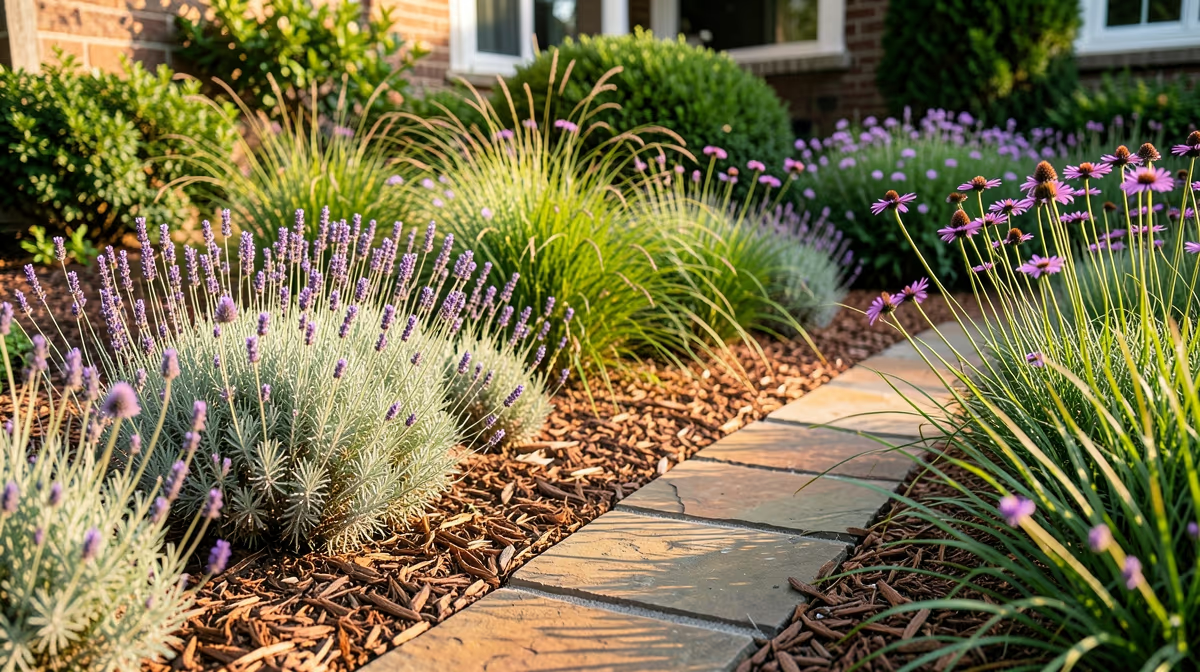
Creating a beautiful outdoor space does not require hours of daily watering or constant upkeep. By selecting the best drought tolerant plants for a low maintenance garden, you can enjoy a thriving, colorful landscape that survives hot, dry spells with minimal intervention. These hardy species adapt to natural rainfall patterns once established, reducing your water bill and freeing up your weekends.
Water-wise gardening is about placing the right plant in the right spot, allowing deep root systems to establish so your garden thrives naturally with less water.
Physical Traits of Water-Wise Plants
Recognizing the physical traits of water-wise foliage helps you select the right specimens at your local nursery. Plants have evolved ingenious mechanisms to prevent moisture loss, and these adaptations often make them highly attractive additions to the landscape.
Silvery or gray-green leaves are a classic indicator of drought tolerance. The lighter color reflects harsh sunlight away from the plant, keeping the leaves cool. Lavender and Russian sage are excellent examples of this adaptation.
Other plants utilize a thick, waxy coating on their leaves, which acts as a barrier to lock in moisture. Succulents and certain evergreen shrubs feature this glossy protective layer.
Narrow, needle-like, or finely cut foliage reduces the overall surface area exposed to dry winds and intense sun. This minimizes transpiration, which is the process of water evaporating from the plant's leaves.
Finally, fuzzy or hairy leaves trap a micro-layer of humid air close to the plant's surface. This barrier slows down wind currents across the leaf, dramatically lowering water loss. Lamb's ear is a prime example of this tactile adaptation.
Top Plant Choices for Dry Soils
Choosing the best drought tolerant plants for a low maintenance garden relies on matching species to your USDA hardiness zone and soil type. A balanced mix of perennial flowers, succulents, and structural grasses provides visual interest throughout the year.
The following species are highly reliable, widely available, and require almost no extra watering once their root systems are fully established.
| Plant Name | Plant Type | Unique Benefit |
|---|---|---|
| Lavender (*Lavandula*) | Flowering Perennial | Fragrant foliage, attracts pollinators, repels pests |
| Purple Coneflower (*Echinacea purpurea*) | Flowering Perennial | Native hardy bloomer, birds love the seed heads |
| Stonecrop (*Sedum*) | Succulent Groundcover | Extremely tough, survives in poor soil, late summer color |
| Yarrow (*Achillea millefolium*) | Flowering Perennial | Feathery foliage, flat flower clusters, thrives in heat |
| Fountain Grass (*Pennisetum*) | Ornamental Grass | Adds texture, motion, and structural winter interest |
Lavender brings classic beauty and scent to hot, sunny borders. It requires excellent drainage and thrives in lean, sandy soils where other plants struggle.
Purple coneflowers are native perennials that produce large, daisy-like blossoms from mid-summer until frost. Their deep taproots seek out moisture hidden deep within the earth, making them incredibly resilient during dry spells.
Stonecrop, particularly the taller varieties like "Autumn Joy," offers structural interest from spring through winter. Its thick, fleshy leaves store water efficiently, allowing it to withstand prolonged dry periods without wilting.
Yarrow features flat-topped flower clusters that serve as landing pads for beneficial insects. It grows easily in almost any soil type, provided it is not constantly wet.
Ornamental grasses provide the movement and texture that ties a low-maintenance landscape together. They sway in the breeze and remain attractive even in the dead of winter.
Essential Soil Preparation and Planting Steps
Drought-tolerant does not mean indestructible from day one. To give your new plants the best start, proper soil preparation and planting techniques are essential.
- Test the drainage of your soil. Dig a hole about 12 inches deep, fill it with water, and let it drain completely. Fill it again and measure how quickly the water level drops. If it takes longer than a few hours to empty, you have heavy clay that requires amendment.
- Improve heavy soils by mixing in coarse gravel, grit, or organic compost. This creates air pockets and prevents water from pooling around the roots, which causes root rot.
- Dig a planting hole that is twice as wide as the plant's root ball, but exactly the same depth.
- Gently loosen the outer roots of the plant before placing it in the hole to encourage them to spread outward.
- Backfill the hole with the native soil, pressing down gently to remove air pockets.
- Water the area thoroughly to settle the soil around the roots.
Excellent soil drainage is the single most important factor for these plants. Most water-wise species will easily survive a dry winter, but they will rot quickly if they sit in cold, soggy soil during the wetter months.
Watering Strategies During Establishment
It is a common mistake to assume that drought-tolerant plants never need watering. During their first growing season, these plants require regular irrigation to help them build a deep, resilient root system.
Always water deeply and infrequently rather than giving your plants light, daily sprinkles, as deep watering encourages roots to grow downward where the soil stays cool and moist.
Frequent, shallow watering keeps the root system near the soil surface, leaving the plant vulnerable to drying out quickly when temperatures rise.
For the first two weeks after planting, water your new additions every two to three days. For the next two months, transition to watering once or twice a week, depending on local rainfall. By the second year, the plants should only require supplemental deep watering during extreme, multi-week heatwaves.
Maintenance Tips to Keep Work to a Minimum
Once your water-wise garden is established, your primary goal is to keep maintenance to an absolute minimum. A few simple practices will protect your plants and keep weeds at bay.
Apply a 2-to-3-inch layer of organic mulch over the soil surface. Wood chips, shredded bark, or clean gravel work exceptionally well. Mulch acts as a barrier, preventing sunlight from hitting bare soil, which suppresses weed seeds and slows down moisture evaporation. Keep the mulch a few inches away from the stems of the plants to prevent rot.
Avoid over-fertilizing your low-water garden. Excessive fertilizer triggers rapid, lush, tender growth. This soft growth is highly susceptible to pests and actually increases the plant's water demands. Lean soils keep the plants compact, sturdy, and naturally drought-resistant.
Prune your perennials just once a year. Cut back dead stems in late winter or early spring before new green growth emerges. Leaving the dried seed heads and stalks through the winter provides food for birds and adds architectural interest to a quiet winter landscape.
Frequently Asked Questions
Do drought tolerant plants need watering when first planted?
Yes, all drought-tolerant plants require regular watering during their first growing season to establish their root systems. Once their roots grow deep into the soil, usually by the second year, they can survive on natural rainfall.
Can drought tolerant plants grow in heavy clay soil?
Many water-wise plants will struggle in heavy clay because clay holds moisture and drains poorly, leading to root rot. To grow them successfully in clay, you must amend the soil with compost and grit to improve drainage, or plant them in raised beds.
What is the best mulch for a low water garden?
Coarse wood chips, bark, or gravel are the best mulches for a low-water garden. A 2-to-3-inch layer suppresses weeds and prevents moisture from evaporating from the soil surface, keeping root zones cool.
How do I know if my drought tolerant plant is overwatered?
Signs of overwatering include yellowing leaves, soft or mushy stems, and a general decline in plant vigor despite wet soil. If you notice these signs, stop watering immediately and check the soil drainage to prevent root rot.
Conclusion
Designing a landscape with the best drought tolerant plants for a low maintenance garden is an efficient way to enjoy natural beauty with minimal effort. By selecting plants adapted to dry conditions, preparing well-draining soil, and watering deeply during the first season, you will create a resilient, water-wise garden. Once established, these plants require only occasional pruning and mulching, leaving you with more time to relax and enjoy your outdoor space.


