
Grow Mint from Cuttings: A Simple Step-by-Step Propagation Guide
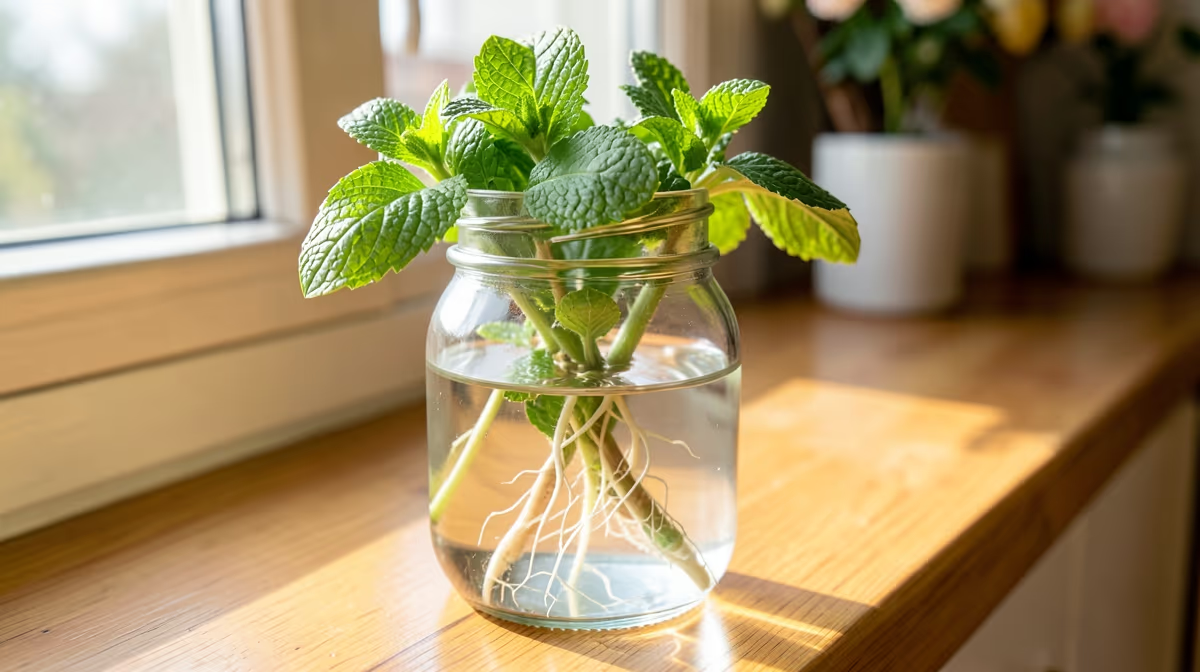
You can easily grow mint from cuttings to enjoy an endless supply of fresh, aromatic leaves for your kitchen without buying new plants. This propagation method is highly reliable because mint is a vigorous grower that roots quickly in both water and soil.
Propagating mint from cuttings is the fastest way to clone your favorite mint variety, requiring only a healthy parent stem, clean water or potting mix, and a few weeks of patience.
Selecting and Preparing Your Mint Cuttings
To start, you need a healthy, established mint plant. Look for vigorous stems with bright green leaves and no signs of pests or disease. Avoid stems that are currently flowering, as they redirect their energy away from root development.
Use a pair of sharp, clean pruning shears or scissors to take your cuttings. Clean tools prevent the spread of harmful pathogens to both the parent plant and the new cuttings.
- Cut a 4-to-6-inch stem just below a leaf node, which is the point where leaves emerge from the stem.
- Gently pinch off the leaves from the bottom two inches of the cutting, leaving at least two to four leaves at the very top.
- Trim the very bottom of the stem at a 45-degree angle to increase the surface area for water absorption.
Method 1: Rooting Mint Cuttings in Water
Rooting in water is a popular way to grow mint because it allows you to watch the roots develop in real time. It is highly visual, incredibly simple, and carries a very high success rate.
Place your prepared cuttings into a small glass or jar. Fill the container with room-temperature water until the bottom two inches of the stems are submerged. Ensure that no remaining leaves are touching the water, as submerged leaves will quickly rot and spoil the water.
Place the jar on a bright windowsill that receives indirect sunlight. Direct, intense sunlight can overheat the water and scorch the delicate cuttings.
Change the water every two days to keep it fresh and oxygenated. Within a week, you should begin to see tiny white roots emerging from the leaf nodes. Once the roots are at least one to two inches long, which usually takes 10 to 14 days, the cuttings are ready to be planted into soil.
Method 2: Rooting Mint Cuttings Directly in Soil
While water propagation is easy, you can also plant your cuttings directly into a potting medium. This method skips the transition phase from water to soil, which some gardeners prefer because it reduces transplant shock later on.
Prepare a small pot with a moist, lightweight seed-starting mix or a blend of peat moss and perlite. Poke a hole in the soil with a pencil or your finger to prevent stripping the stem when inserting it.
Insert the bare bottom of the mint cutting into the hole, ensuring the remaining leaves sit just above the soil surface. Gently press the soil around the stem to secure it in place.
Keep the soil consistently moist but never waterlogged. To help retain humidity, you can loosely cover the pot with a clear plastic bag, creating a miniature greenhouse. Remove the bag for an hour daily to allow fresh air circulation and prevent mold. Your cuttings should establish a firm root system in two to three weeks. You can test this by gently tugging on the stem; if you feel resistance, roots have formed.
Choosing the Right Soil and Container
Mint is an aggressive spreader that can quickly take over garden beds if left unchecked. Because of this vigorous growth habit, growing mint in containers is highly recommended.
Use a pot that is at least 8 to 10 inches in diameter with ample drainage holes at the bottom. Mint prefers a rich, well-draining potting soil with a slightly acidic to neutral pH between 6.0 and 7.0. Mixing in some organic compost will provide the necessary nutrients for lush foliage production.
| Potting Element | Preferred Specification | Purpose |
|---|---|---|
| Container Size | 8 to 10 inches minimum | Prevents roots from becoming bound too quickly |
| Soil Type | Rich, well-draining potting mix | Ensures moisture retention without waterlogging |
| Drainage | Multiple bottom drainage holes | Prevents root rot from standing water |
| pH Range | 6.0 to 7.0 | Optimizes nutrient uptake for herb growth |
Caring for Your New Mint Plants
Once your cuttings are potted up, proper care will ensure they grow into bushy, productive plants. Mint thrives in areas that receive morning sun and afternoon shade, though it can tolerate full sun if kept adequately watered.
Water your mint whenever the top inch of soil feels dry to the touch. The goal is to keep the soil consistently damp, like a wrung-out sponge. Overwatering leads to root rot, while letting the soil dry out completely will cause the leaves to wilt and turn yellow.
To encourage a bushier growth habit, regularly pinch off the top growing tips of the stems. This forces the plant to branch out from the lower nodes rather than growing tall and leggy.
Always pinch off any flower buds that appear on your mint plant to preserve the sweet, intense flavor of the leaves.
Common Mistakes to Avoid
While mint is incredibly resilient, a few common slip-ups can hinder your success when you attempt to propagate it.
- Using woody stems: Older, woody stems root much slower than soft, green, actively growing tips.
- Letting the water get stagnant: Stagnant water lacks oxygen, which leads to bacterial growth and stem rot.
- Direct afternoon sun: Newly cut stems do not have roots to absorb water yet; intense sun will dehydrate them before they can form roots.
- Crowding the cuttings: Placing too many stems in one small jar reduces airflow and increases the risk of rot.
Frequently Asked Questions
How long does it take for mint cuttings to root in water?
Mint cuttings typically begin to grow visible roots within 7 to 10 days when kept in clean water. Once these roots reach one to two inches in length, they are ready to be transplanted into potting soil.
Can you grow mint from store-bought cuttings?
Yes, you can easily propagate mint using fresh sprigs purchased from the grocery store. Select the freshest, healthiest stems available, trim the bottom ends at an angle, and follow the standard water propagation method.
Does mint grow better in water or soil?
Mint roots successfully in both mediums, but water propagation is often preferred because it allows you to monitor root growth directly. Soil propagation is also highly effective and reduces the risk of transplant shock when moving the plant outdoors.
Why are my mint cuttings rotting instead of rooting?
Cuttings usually rot due to bacteria in stagnant water or overly wet, poorly draining soil. To prevent this, change the water every two days and ensure no leaves are submerged below the waterline.
When is the best time of year to take mint cuttings?
The best time to take mint cuttings is during the active growing season in spring or early summer. Stems taken during this period are full of vigor and will root much faster than those taken in late autumn or winter.
Conclusion
Growing mint from cuttings is a straightforward, rewarding way to expand your herb garden. By selecting healthy stems, keeping the propagation environment moist, and potting them into well-draining containers, you will enjoy a continuous harvest of fresh mint all season long.


