
Compost from Kitchen Waste: A Complete Step-by-Step Guide
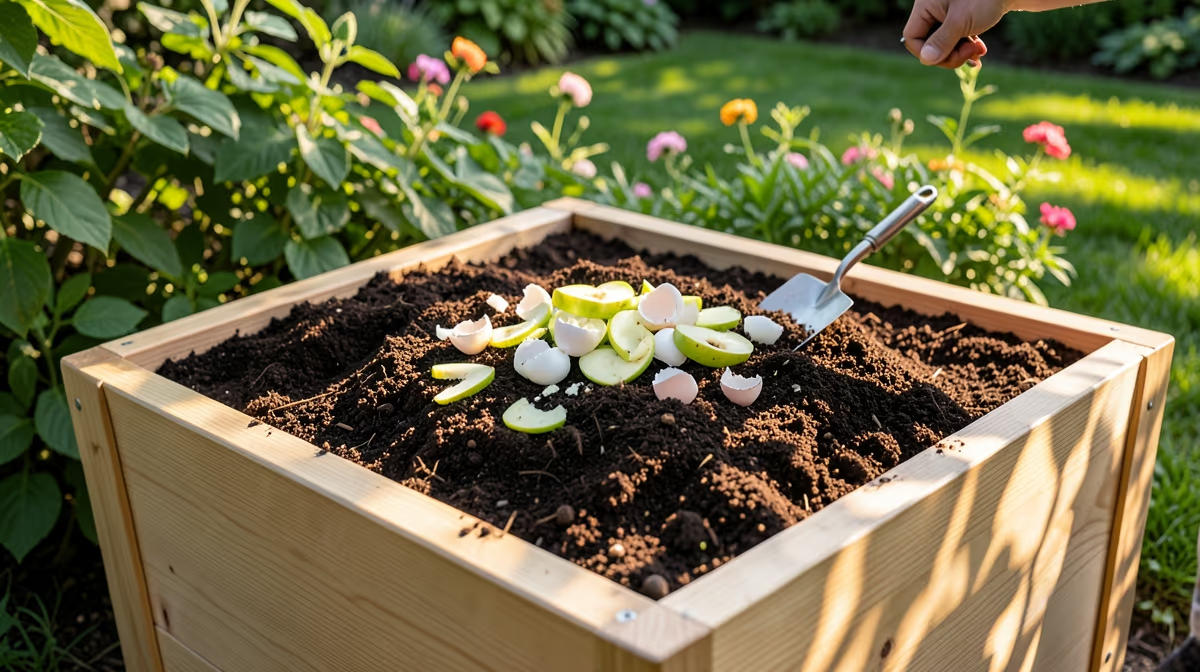
Creating nutrient-rich compost from kitchen waste is one of the most effective ways to feed your garden soil and reduce household trash. By recycling everyday organic scraps, you can build a sustainable, cost-free source of plant food that improves soil structure and retains moisture. This natural decomposition process converts raw food remnants into a dark, crumbly material often referred to as "black gold" by experienced gardeners. Anyone can master this practice, regardless of garden size, by understanding the foundational elements of decomposition. Here is exactly how to transform your kitchen waste into premium compost.
Successful composting relies on balancing wet, nitrogen-rich "green" materials with dry, carbon-rich "brown" materials while maintaining moisture and airflow.
Understanding the Greens and Browns Balance
To make high-quality compost, you need to provide a balanced diet for the beneficial microbes, fungi, and insects that do the heavy lifting of decomposition. These organisms require two primary elements: carbon for energy and nitrogen for protein synthesis. In the gardening world, carbon-rich materials are called "browns" while nitrogen-rich materials are called "greens" in composting terms.
An ideal compost pile maintains a volume ratio of roughly two to three parts brown materials to one part green materials. If you have too many greens, your compost pile will become soggy, compacted, and foul-smelling. Conversely, if you have too many browns, the decomposition process will stall, and the pile will remain dry and unchanged for months.
What Kitchen Scraps Can You Compost
Not everything that comes out of your kitchen belongs in the compost bin. Knowing what to include and what to exclude prevents bad odors, pests, and diseased soil.
Let's look at a structured breakdown of common kitchen and household materials:
| Material Type | Examples of Greens (Nitrogen-Rich) | Examples of Browns (Carbon-Rich) |
|---|---|---|
| Kitchen Scraps | Fruit peels, vegetable trimmings, coffee grounds, tea leaves | Egg cartons (shredded), unbleached paper towels |
| Yard & Household | Fresh grass clippings, green leaves, spent flowers | Dry leaves, straw, wood chips, shredded cardboard |
While coffee grounds look brown in color, they are actually highly nitrogenous and count as greens.
Items to Strictly Avoid
Certain kitchen wastes can ruin your compost pile by attracting rodents, generating severe odors, or introducing pathogens that survive the composting process. Do not add the following items to your home compost bin:
- Meat, fish, bones, or poultry scraps
- Dairy products like cheese, butter, milk, or yogurt
- Cooking oils, grease, or heavy fats
- Pet waste, dog feces, or cat litter
- Diseased plant material from your garden
- Glossy, colored, or heavily inked paper and cardboard
- Large woody branches that take years to break down
Choosing the Right Composting Method for Your Space
The physical setup you choose depends largely on your living situation, available outdoor space, and how quickly you want results.
Outdoor Compost Bins and Piles
If you have a yard, a traditional compost pile or a structured bin is the most common approach. An open pile is simple and cost-free, but a closed plastic bin or a wooden three-sided enclosure keeps things neater and helps retain heat and moisture.
Compost Tumblers
Tumblers are sealed, barrel-like containers mounted on a stand that can be easily rotated. They are ideal for smaller yards or urban spaces because they keep pests out completely and make turning the compost effortless. Because they retain heat well, they often break down waste faster than open piles.
Indoor Worm Bins
If you live in an apartment with no yard, you can still process kitchen waste using vermicomposting. This method uses a specialized plastic bin containing red wiggler worms that eat your food scraps and produce nutrient-rich worm castings.
Step-by-Step Guide to Making Compost
Once you have selected your location and container, follow these steps to build and maintain a productive compost pile.
- Collect your kitchen waste: Keep a small, sealed container with a charcoal filter on your kitchen counter to collect vegetable trimmings, fruit peels, and coffee grounds daily.
- Start with a coarse base layer: Place a three-to-four-inch layer of coarse brown materials, such as small twigs, straw, or shredded dry leaves, at the very bottom of your compost bin. This encourages airflow and prevents the pile from becoming waterlogged at the base.
- Layer greens and browns: Add your kitchen scraps (greens) in a thin layer, then immediately cover them with a layer of dry browns (like shredded cardboard or dry leaves) that is twice as thick. Covering your greens prevents fruit flies and neutralizes odors immediately.
- Maintain proper moisture: Your compost pile should always feel like a damp, wrung-out sponge. If you squeeze a handful of the material, only a drop or two of water should come out. If it is too dry, sprinkle it lightly with water. If it is too wet, mix in more dry, shredded browns.
- Aerate the pile regularly: Oxygen is crucial for aerobic bacteria to break down organic matter cleanly. Use a pitchfork, a compost aerator tool, or turn your tumbler twice a week to distribute oxygen and mix the outer dry elements into the warm center.
- Let it cure: Once your bin is full, stop adding new scraps and let the existing pile finish decomposing. Continue to turn and water it occasionally until it transforms into a uniform, dark soil.
Troubleshooting Common Composting Issues
Even experienced gardeners occasionally face challenges when making compost from kitchen waste. Most issues can be resolved with simple adjustments to moisture, airflow, or the green-to-brown ratio.
To quickly fix a smelly compost pile, add several generous handfuls of dry leaves or shredded cardboard and turn the pile thoroughly to introduce fresh oxygen.
Let's look at the most common issues you might encounter:
- Sewer-like or ammonia smell: This occurs when the pile is too wet or contains too much nitrogen. Turn the pile to add air and mix in plenty of dry browns.
- The pile is not heating up or decomposing: This usually means the pile is either too dry or lacks nitrogen. Add fresh kitchen scraps or grass clippings and sprinkle with water to jumpstart the process.
- Flies, gnats, or pests are hovering around the pile: Exposed food scraps attract pests. Always bury your kitchen waste deep inside the pile or cover it completely with a thick layer of dry brown material.
- The compost is attracting mice or rats: Avoid adding any meats, fats, or dairy. If pests persist, transition to a fully enclosed plastic compost bin or a secure tumbler.
How and When to Use Your Finished Compost
Finished compost is ready when it is dark brown, crumbly, and smells like fresh, damp earth after a rainstorm. You should not be able to recognize any of the original kitchen scraps or yard waste you put in. The temperature of the pile will also drop to match the ambient air temperature.
To use your finished compost:
- As a soil amendment: Mix a two-to-three-inch layer of compost into your garden beds before planting vegetables or flowers to enrich the soil.
- As a top-dressing: Spread a thin layer of compost around the base of established perennial plants, shrubs, and trees to act as a slow-release fertilizer.
- For container gardening: Mix one part compost with two parts standard potting soil to give your potted indoor and outdoor plants a nutrient boost.
Frequently Asked Questions
How long does it take to make compost from kitchen waste?
Depending on the method, compost can take anywhere from two months to a full year to finish. A managed compost tumbler can produce finished compost in six to eight weeks, while an unturned pile in a cold climate will take much longer.
Can I put eggshells in my kitchen compost?
Yes, eggshells are an excellent source of calcium for your soil. Crush them into small pieces before adding them to your bin, as whole eggshells take a very long time to decompose.
Should I cut up my kitchen scraps before adding them to the compost?
Yes, cutting or shredding your kitchen waste into smaller pieces increases the surface area for microbes to work on. Smaller scraps will break down significantly faster than whole fruits or large chunks of vegetables.
Can citrus peels be put in a compost bin?
Citrus peels can be composted in moderation in traditional outdoor bins and tumblers. However, if you are vermicomposting, avoid adding large amounts of citrus, as the high acidity can harm the compost worms.
Conclusion
Making compost from kitchen scraps is a simple and rewarding way to feed your garden. By balancing greens and browns, keeping the pile moist, and aerating it regularly, you will transform waste into rich, crumbly soil. Start small, monitor the moisture, and let nature do the rest of the work.


