
Indoor Plants Not Growing: Simple Ways to Revive Your Houseplants
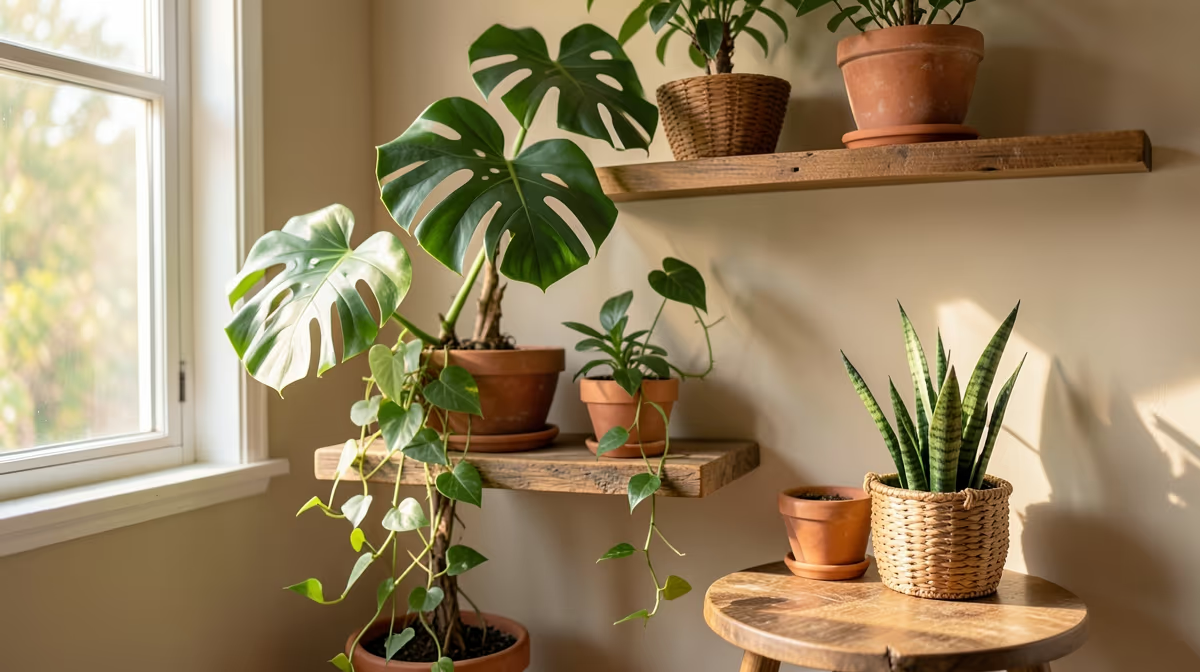
Bringing nature indoors is highly rewarding, but finding your indoor plants not growing can be incredibly frustrating. When a once-vibrant houseplant suddenly stalls, it is usually sending a quiet signal that one of its basic environmental needs is not being met. Understanding these signals allows you to adjust your care routine and help your greenery thrive once again.
Stagnant growth is rarely a sign of a dying plant; instead, it is a protective dormancy mechanism triggered by incorrect light, improper watering, or nutrient depletion.
Light Exposure and Photosynthesis Limits
Light is the primary energy source for any houseplant. Without sufficient light, a plant cannot produce the sugars it needs to fuel new leaves, stems, and roots. When indoor spaces lack adequate illumination, plants often enter a survival mode, focusing their limited energy on maintaining existing foliage rather than producing new growth.
To determine if light is the limiting factor, observe the plant's overall appearance. Plants receiving too little light often become leggy, stretching their stems toward the nearest window. The new leaves they do produce are usually much smaller than older leaves and may lack their natural vibrant coloration.
To correct this issue, move your plant closer to a window, or introduce a dedicated LED grow light. Be mindful of the plant species, as some prefer bright, indirect light, while others can tolerate direct sun. Gradually acclimate the plant to its new, brighter location over several days to prevent the foliage from scorching.
Soil Moisture and Watering Imbalances
Both overwatering and underwatering will quickly halt houseplant development. Water is essential for carrying nutrients from the soil up into the stems and leaves, but too much water can be just as damaging as too little.
When you overwater a plant, the soil becomes waterlogged, displacing the oxygen pockets roots need to breathe. Without oxygen, the roots begin to suffocate and decay, a condition known as root rot. Damaged roots cannot absorb water or nutrients, leaving the plant unable to grow despite sitting in wet soil.
Conversely, underwatering deprives the plant of the moisture necessary to maintain cellular structure and perform photosynthesis. An underwatered plant will prioritize survival, letting older leaves dry up and drop to conserve what little water remains in its system.
Always check the soil moisture with your finger or a moisture meter before watering, rather than sticking to a strict calendar schedule.
If the top two inches of soil feel dry to the touch, it is generally safe to water. Ensure your pots always have drainage holes so excess water can escape easily.
Nutrient Depletion and Tired Soil
Unlike outdoor plants, which benefit from a continuous cycle of organic matter decomposing into the surrounding earth, indoor plants rely entirely on the limited nutrients present in their potting mix. Over time, the plant consumes these nutrients, and regular watering flushes the remaining minerals out through the drainage holes.
When the soil becomes depleted of essential macro- and micronutrients, growth slows to a crawl. Nitrogen, phosphorus, and potassium are crucial for foliage development, root strength, and overall cellular function. If your plant has been in the same potting mix for more than a year without any supplemental fertilizer, it is likely starving.
To revive a nutrient-depleted plant, apply a balanced, water-soluble fertilizer diluted to half-strength during the active growing season of spring and summer. Avoid over-fertilizing, as an excess of mineral salts can burn sensitive roots and cause further stress.
Rootbound Conditions and Constricted Pots
If you have ruled out watering and lighting as the causes for your indoor plants not growing, the root system itself might be the issue. As a plant matures, its root system expands to support the foliage above. Eventually, the roots will fill the entire container, leaving no room for soil to hold water and nutrients.
A plant in this state is considered rootbound. Because there is very little soil left to retain moisture, water runs straight through the pot without being absorbed. The roots, tightly wound around themselves, cannot function efficiently, resulting in stalled growth and frequent wilting.
To check for this condition, gently slide the plant out of its pot. If you see a dense web of roots wrapping around the outside of the soil ball, or if roots are actively growing out of the bottom drainage holes, it is time to repot. Select a new container that is one to two inches wider in diameter than the current one, and fill the extra space with fresh, nutrient-rich potting soil.
Environmental Temperature and Humidity Fluctuations
Most common houseplants originate from tropical environments, where temperatures are warm and humidity levels are consistently high. Typical home environments, especially during winter or in air-conditioned spaces, can be too cold or dry for tropical species to grow actively.
Cold drafts from open windows, doors, or air conditioning vents can shock plants, causing them to temporarily halt growth or drop leaves. Similarly, dry indoor air caused by running household heaters removes moisture from the plant's leaves faster than the roots can replace it.
Keep your houseplants in areas with stable temperatures, ideally between 65°F and 75°F (18°C to 24°C). If your home has low humidity, you can increase the moisture in the air around your plants by grouping them closely together, placing them on a tray filled with pebbles and water, or using a small humidifier.
Diagnosing Stagnant Houseplant Growth
Because different issues can cause similar outward symptoms, diagnosing the exact reason for your plant's stagnation requires systematic evaluation. Use the table below to match visible symptoms with their most likely causes and practical solutions.
| Visible Symptom | Likely Cause | Recommended Action |
|---|---|---|
| Pale, small new leaves | Lack of nitrogen or low light | Move to a brighter spot and apply a balanced, diluted fertilizer. |
| Mushy stems, yellowing lower leaves | Overwatering and root rot | Reduce watering frequency, ensure pot drains well, and check roots. |
| Crispy brown leaf edges and wilting | Low humidity or underwatering | Water thoroughly when dry, and use a pebble tray to boost humidity. |
| Roots growing through drainage holes | The plant is rootbound | Repot into a container that is 1 to 2 inches larger with fresh soil. |
By taking the time to observe these indicators, you can make targeted adjustments to your plant care routine rather than guessing.
Understanding Natural Seasonal Dormancy
It is important to recognize that indoor plants do not grow at the same pace all year round. In many parts of the world, autumn and winter bring shorter days and lower light intensity. In response to these seasonal shifts, many houseplants naturally enter a period of rest or semi-dormancy.
During this dormant phase, plants conserve their energy and growth will naturally slow down or stop completely. This is a normal, healthy part of the plant's life cycle. Attempting to force growth during winter by adding extra fertilizer or water will only stress the plant and increase the risk of root rot. Accept this quiet period, reduce your watering frequency, hold off on fertilizing, and wait for the natural warmth and light of spring to trigger new shoots.
Frequently Asked Questions
Should I fertilize my indoor plants if they stop growing?
Only fertilize your plants during their active growing season in spring and summer, and only if they are not suffering from root rot or drought stress. Adding fertilizer to a dormant or struggling plant can burn its roots and cause further damage.
How do I know if my indoor plant is dormant or dying?
A dormant plant will maintain its overall color and structure but simply stop producing new leaves during the colder winter months. A dying plant will show active signs of decline, such as widespread leaf yellowing, dropping stems, mushy roots, or crispy foliage.
Can a pot that is too large stop a plant from growing?
Yes, an oversized pot holds more soil and water than the plant's root system can absorb, which leads to waterlogged soil. This excess moisture prevents oxygen from reaching the roots, causing decay and halting all above-ground growth.
Why does my plant look healthy but refuses to grow new leaves?
If the plant looks healthy but has stalled, it is likely receiving just enough light and nutrients to maintain its current size, but not enough to support new growth. Upgrading its light exposure slightly or applying a mild fertilizer can often trigger new foliage.
Conclusion
Determining the exact reasons why you have indoor plants not growing is a matter of systematically checking these environmental factors. By assessing light exposure, adjusting watering habits, replenishing soil nutrients, and ensuring proper pot size, you can easily provide the ideal conditions for your greenery. Remember to respect seasonal rest periods and allow your houseplants the time they need to recover and thrive.


