
Remove Fungus from Plant Soil Safely with These Simple Steps
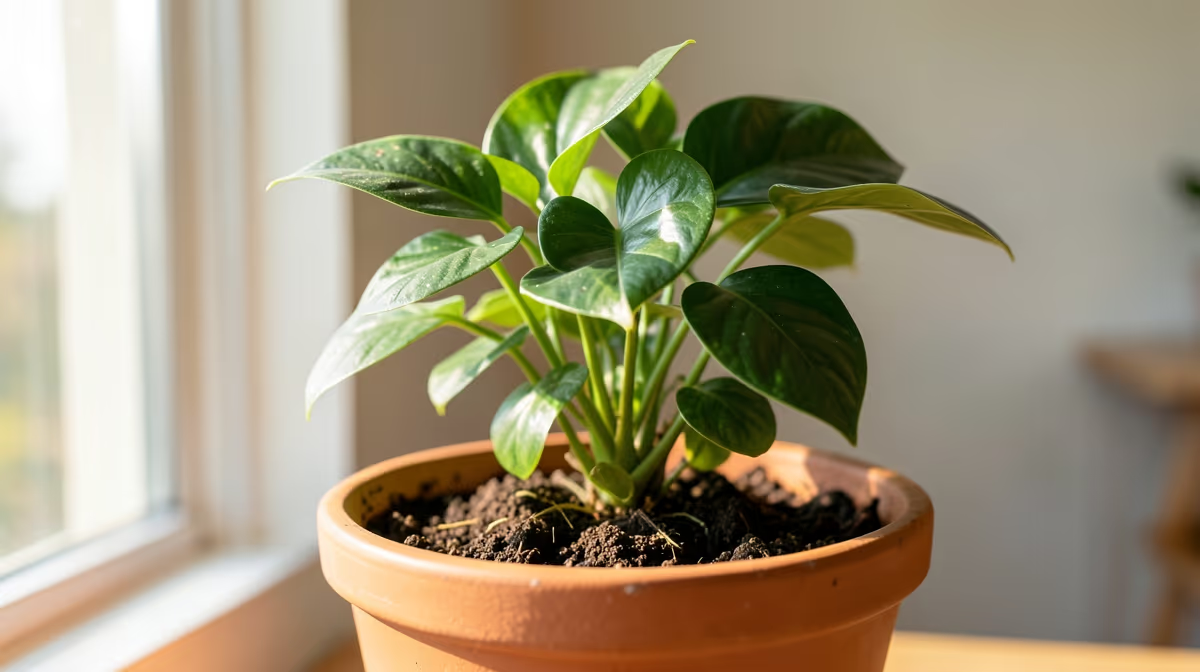
Discovering a fuzzy white layer on your potting mix can be alarming, but you can easily remove fungus from plant soil with the right approach. This common gardening issue is usually a harmless mold that feeds on decaying organic matter in the soil, rather than a threat to your plant's life. However, its presence is a clear warning sign that your plant's environment is too wet, which can eventually lead to more serious issues like root rot. By understanding why this fungus grows and taking simple corrective actions, you can restore your soil health and keep your plants thriving.
Fungus on plant soil is almost always a sign of overwatering or poor drainage, and addressing these environmental issues is the ultimate key to keeping it gone.
Understanding the Types of Soil Fungus
Before you begin treating your soil, it helps to understand what you are dealing with. The white, fuzzy growth most indoor gardeners find on their soil surface is typically a saprophytic fungus. This type of mold is non-parasitic, meaning it does not feed on your living plant. Instead, it breaks down organic components in the potting mix, such as wood chips, peat moss, or compost.
While the mold itself will not eat your plant, the conditions that allow it to grow can cause harm. Fungi thrive in dark, stagnant, and damp environments. If the soil remains constantly wet, your plant's roots cannot access oxygen. Over time, this oxygen deprivation leads to root suffocation and rot, which is much harder to treat than a simple surface mold.
What You Will Need
Removing surface mold does not require expensive tools or harsh chemical fungicides. Most of the items needed to resolve this issue are already in your kitchen cabinets or gardening shed. Gather these materials before you begin:
- A clean metal spoon or a small hand trowel
- Ground cinnamon (a natural antifungal agent)
- 3% hydrogen peroxide
- A clean spray bottle
- Fresh, sterile potting soil
- Rubbing alcohol (for sterilizing your tools)
Using dirty tools can introduce new pathogens to your plant, so always wipe down your spoon or trowel with rubbing alcohol before touching the soil.
Step-by-Step Instructions to Remove Fungus
To successfully remove fungus from plant soil, follow these simple steps to clean the surface and treat the underlying spores.
- Scrape away the visible mold. Use your sterilized spoon or trowel to gently scoop up the fuzzy white layer from the top of the soil. Be careful not to dig too deep or disturb any shallow plant roots.
- Dispose of the moldy soil immediately. Put the scraped soil into a trash bag and seal it. Do not add this moldy soil to your compost bin, as the spores can survive and spread to other parts of your garden.
- Treat the remaining soil surface. Even after scraping, invisible fungal spores will still be present on the soil surface. Dust a thin, even layer of ground cinnamon over the top of the remaining soil to prevent regrowth.
- Let the soil dry out. Leave the pot in a well-ventilated area and withhold water until the top two inches of the potting mix are completely dry to the touch.
Natural Remedies to Treat Potting Soil
If the mold returns after scraping, or if you want to ensure the spores are thoroughly neutralized, you can use common household remedies. These natural solutions are gentle on plants but highly effective against fungal growth.
| Treatment | How It Works | Application Method |
|---|---|---|
| Ground Cinnamon | Natural antifungal agent | Sprinkle a thin dust layer directly onto the dry soil surface |
| Hydrogen Peroxide (3%) | Kills spores on contact and adds oxygen | Mix 1 part peroxide with 4 parts water and spray the soil |
| Chamomile Tea | Mild, natural fungicide | Brew a strong cup, let it cool completely, and use it to water the plant |
Using these treatments in combination with proper watering habits will eliminate the mold without damaging the delicate roots of your houseplants.
Always test any liquid soil treatment on a small corner of the pot first to ensure your specific plant variety does not react negatively to the application.
How to Prevent Soil Fungus from Returning
Removing the mold is only a temporary fix if you do not change the conditions that allowed it to grow in the first place. Fungal spores are everywhere in the air, waiting for the right damp conditions to settle and grow.
To keep the mold from returning, make these simple adjustments to your plant care routine:
- Water less frequently. Always check the moisture level of your soil before adding water. Stick your finger two inches into the soil; if it feels damp, wait a few more days.
- Improve air circulation. Stagnant air allows humidity to build up around the soil surface. Place a small fan nearby or open a window to keep air moving around your plants.
- Increase light exposure. Move your plant to a spot that receives brighter, indirect sunlight. Sunlight naturally dries out the soil surface and inhibits fungal growth.
- Use pots with active drainage. Ensure your containers have functional drainage holes at the bottom so excess water can escape easily. Always empty the drainage saucer twenty minutes after watering.
When to Repot the Plant Completely
In most cases, scraping the surface and applying a natural fungicide will solve the problem. However, if the mold covers the entire pot, extends deep into the soil profile, or is accompanied by a foul, swampy odor, you will need to repot the plant completely. A persistent sour smell indicates that anaerobic bacteria are growing alongside the fungus, which often leads to root rot.
To repot, gently slide the plant out of its container and shake off as much of the old, infected soil as possible. Examine the roots; healthy roots should be firm and white or tan, while rotted roots will look black, mushy, and feel slimy. Clip away any damaged roots with sterilized shears. Wash the pot thoroughly with hot soapy water, fill it with fresh, sterile, well-draining potting mix, and replant your houseplant.
Frequently Asked Questions
Is the white mold on my plant soil harmful to my health?
Generally, the white mold found on potting soil is harmless to healthy humans. However, individuals with severe mold allergies, asthma, or compromised immune systems may experience mild respiratory irritation if they breathe in the loose spores.
Can I use baking soda to get rid of soil fungus?
Yes, baking soda can help raise the pH of the soil surface, making it less hospitable to mold. Mix one teaspoon of baking soda with a quart of water and a few drops of liquid soap, then lightly spray the surface of the dry soil.
Why does my potting mix keep growing mold even when I do not overwater?
If you are not overwatering, the issue is likely poor air circulation or a potting mix that retains too much moisture. Soil containing high amounts of peat moss or compost naturally holds onto water longer, which can trigger fungal growth in rooms with low airflow.
Conclusion
Removing fungus from plant soil is a straightforward task that requires simple tools and minimal effort. By scraping away the visible mold, applying a natural treatment like cinnamon, and adjusting your watering habits, you can easily keep your soil clean and healthy. Focus on improving air circulation, providing bright light, and letting the soil dry out between waterings to prevent the fungus from returning.


