
Grow Green Chilli in a Pot: The Complete Beginner's Guide
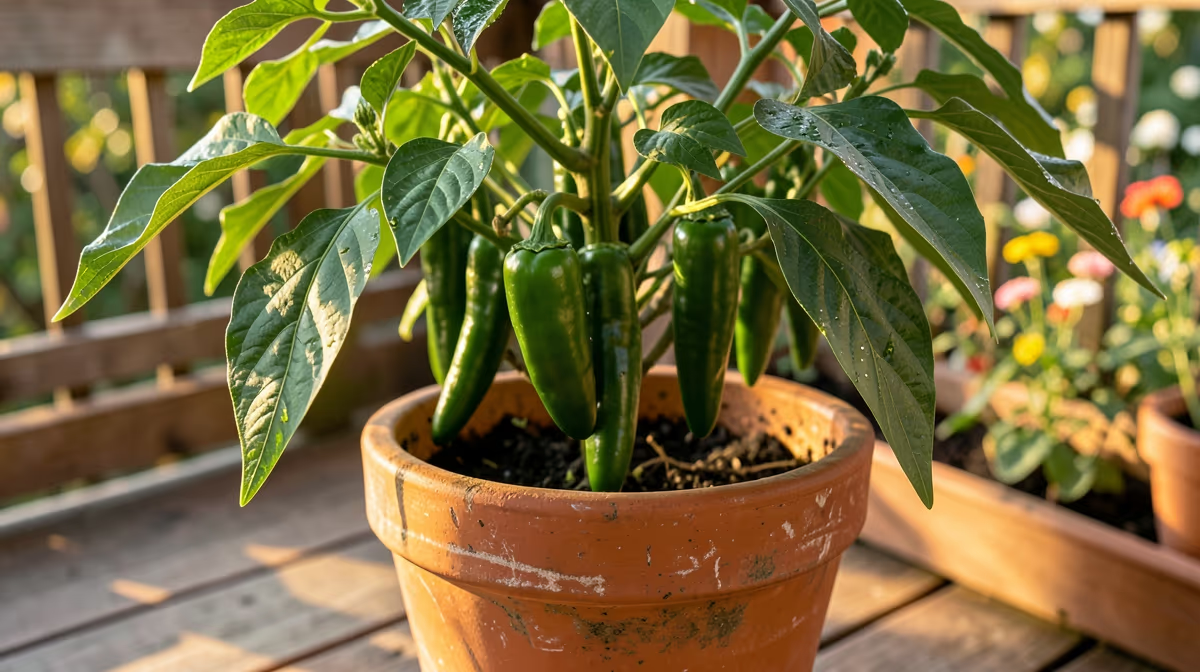
Growing your own fresh, spicy peppers at home is incredibly rewarding, and you do not need a massive garden plot to do it. Learning how to grow green chilli in a pot allows you to harvest a continuous supply of fiery chillies right from your balcony, patio, or windowsill. This method gives you complete control over the soil quality, drainage, and positioning, which are crucial factors for these sun-loving plants.
Successful container chilli gardening relies on three main pillars: choosing a pot with excellent drainage, providing at least six hours of direct sunlight daily, and keeping the soil consistently moist but never waterlogged.
Choosing the Right Pot and Soil
Selecting the correct container and growing medium are the first crucial steps when you set out to grow green chilli in a pot. Chillies have a relatively shallow but extensive root system that requires plenty of breathing room.
A pot that is 10 to 12 inches in diameter and depth is ideal for a single chilli plant. Terracotta or clay pots are excellent choices because they are porous, allowing air and moisture to move through the sides of the container, which prevents the roots from suffocating. Plastic or glazed ceramic pots also work well, but you must monitor your watering more closely as these materials retain moisture for much longer.
Regardless of the material, your pot must have at least one large drainage hole at the bottom. Chilli plants cannot tolerate sitting in stagnant water, which quickly leads to root rot.
To fill your pot, avoid using standard garden soil. Heavy backyard soil packs down tightly in containers, cutting off oxygen to the roots and trapping excess moisture. Instead, use a lightweight, nutrient-rich, well-draining potting mix. You can easily mix your own at home using the following proportions:
| Component | Ideal Proportion | Purpose |
|---|---|---|
| Coco peat or Peat moss | 40% | Retains essential moisture without compacting |
| Compost or Well-rotted manure | 30% | Delivers a steady stream of organic nutrients |
| Perlite, Vermiculite, or Coarse sand | 30% | Improves aeration and ensures fast drainage |
Starting Chilli Plants from Seeds or Seedlings
You can start your green chilli journey either by planting seeds or by purchasing young seedlings from a local plant nursery.
If you choose to start from seeds, sow them indoors about 6 to 8 weeks before the warm season begins. Fill a seedling tray with a damp seed-starting mix, press the seeds about a quarter-inch deep into the soil, and mist lightly with water. Place the tray in a warm spot, as chilli seeds require temperatures between 70°F and 85°F (21°C to 29°C) to germinate. Keep the soil consistently moist but not soggy. Seedlings should emerge within 10 to 15 days.
If you are a beginner or want to save time, buying healthy seedlings from a nursery is a great option. Look for plants with sturdy stems, vibrant green leaves, and no visible signs of pests or disease. Avoid plants that are already root-bound or have flowers on them, as younger plants transplant more successfully.
Step-by-Step Planting Guide
Once your home-grown seedlings have developed at least two sets of true leaves and are about 4 to 6 inches tall, they are ready to be transplanted into their permanent pots.
- Fill your chosen pot with the prepared potting mix, leaving about an inch of space below the rim to allow for watering.
- Gently tap the sides of the seedling container to loosen the root ball. Carefully slide the seedling out, taking care not to pull the plant by its delicate stem.
- Make a hole in the center of the potting mix that is slightly larger than the seedling's root ball.
- Place the seedling into the hole, ensuring it sits at the same depth it was growing in its original container. Planting it too deep can cause the stem to rot.
- Fill in the gaps with potting mix and gently press the soil around the base of the plant to eliminate air pockets.
- Water the plant thoroughly until water begins to drain out of the bottom holes. Place the pot in a shaded area for two to three days to recover from transplant shock before moving it into direct sunlight.
Essential Care and Maintenance
To keep your chilli plant healthy and productive, you must establish a regular care routine that balances light, water, and nutrients.
Sunlight Requirements
Green chillies are tropical plants that thrive on heat and light. Place your pot in a location that receives a minimum of six hours of direct sunlight daily. A south-facing balcony, terrace, or sunny patio is ideal. If you live in an apartment with limited direct sun, you can use artificial LED grow lights positioned a few inches above the plant for 12 to 14 hours a day.
Watering Rules
Watering is the most critical aspect of container plant care. Chillies prefer their soil to be evenly moist but never saturated.
Always water your chilli plants at the base rather than wetting the foliage, as damp leaves can encourage fungal diseases like powdery mildew.
To determine when to water, insert your index finger about an inch into the soil. If it feels dry, water the plant deeply until you see water dripping out of the drainage holes. During hot summer days, you may need to water daily. In cooler weather, watering once or twice a week is usually sufficient.
Feeding and Fertilizing
Because pots have a limited amount of soil, nutrients wash out quickly through repeated watering. Begin feeding your chilli plant three weeks after transplanting.
During the early growth stage, use a balanced, nitrogen-rich organic fertilizer to encourage healthy leaf and stem development. Once you see the first flower buds forming, switch to a fertilizer higher in potassium and phosphorus, such as an organic tomato fertilizer or seaweed extract. This shift shifts the plant's energy away from leaf production and toward blooming and fruit development.
Pruning and Pinching
To encourage a bushier plant with more branches, pinch off the growing tips of the main stem when the seedling is about 6 to 8 inches tall. This encourages lateral growth, which ultimately leads to more flowers and a higher yield of chillies. Remove any yellowing leaves at the bottom of the plant to improve air circulation.
Managing Common Chilli Pests and Diseases
Chilli plants grown in pots can occasionally attract pests or suffer from physiological issues.
Aphids and spider mites are the most common pests you might encounter. These tiny insects cluster on the undersides of leaves, sucking the plant's sap and causing the leaves to curl or yellow. You can easily manage these pests by spraying the plant with a diluted neem oil solution or a mild insecticidal soap once a week.
If you notice the bottom of your growing chillies turning black and soft, your plant is likely suffering from blossom end rot. This condition is caused by a calcium deficiency, which is almost always triggered by inconsistent watering rather than a lack of calcium in the soil. Maintaining a regular watering schedule will prevent this issue.
Harvesting Your Green Chillies
Your patience will pay off when the plant begins to produce firm, glossy green fruits.
You can harvest green chillies at almost any stage once they reach a usable size. Pick them when they are bright green, firm to the touch, and have a glossy skin. Leaving them on the vine longer will eventually cause them to ripen to yellow, orange, or red, which increases their sweetness but can sometimes reduce their sharp heat.
Always use a sharp pair of scissors or pruning shears to harvest your chillies. Avoid pulling the peppers off with your hands, as this can easily snap the delicate branches of the plant and damage its overall structure. Frequent harvesting encourages the plant to produce even more flowers and fruit throughout the growing season.
Frequently Asked Questions
How long does it take to grow green chillies in a pot?
It generally takes about 70 to 90 days from sowing seeds to harvest your first batch of green chillies. If you start with a young nursery seedling, you can expect to harvest fresh peppers in about 45 to 60 days.
Why are my green chilli plant flowers falling off without producing fruit?
Flower drop is usually caused by environmental stress, such as extreme heat above 90°F (32°C), dry soil, or a lack of pollination. You can gently shake the plant during the day to help distribute the pollen and encourage fruit set.
Can green chilli plants grow indoors?
Yes, green chilli plants can grow indoors if you place them in a spot that receives at least six hours of direct sunlight daily, such as a south-facing windowsill. If natural light is insufficient, you will need to supplement it with artificial grow lights.
How often should I water my potted chilli plant?
Water your plant whenever the top inch of soil feels dry to the touch, which typically translates to every 2 to 3 days in moderate weather. You may need to water daily during hot, windy summer days to prevent the soil from drying out completely.
Conclusion
Growing green chillies in a pot is a simple, highly rewarding project that yields fresh, spicy harvests for your kitchen. By selecting a pot with proper drainage, using a well-aerated potting mix, and providing plenty of direct sunlight, you can successfully nurture these plants on any balcony or sunny windowsill. Consistent watering, timely feeding, and careful harvesting will ensure your potted chilli plant thrives and remains productive all season long.


