
Indoor Plant Leaves Turn Yellow: Common Causes and How to Fix Them
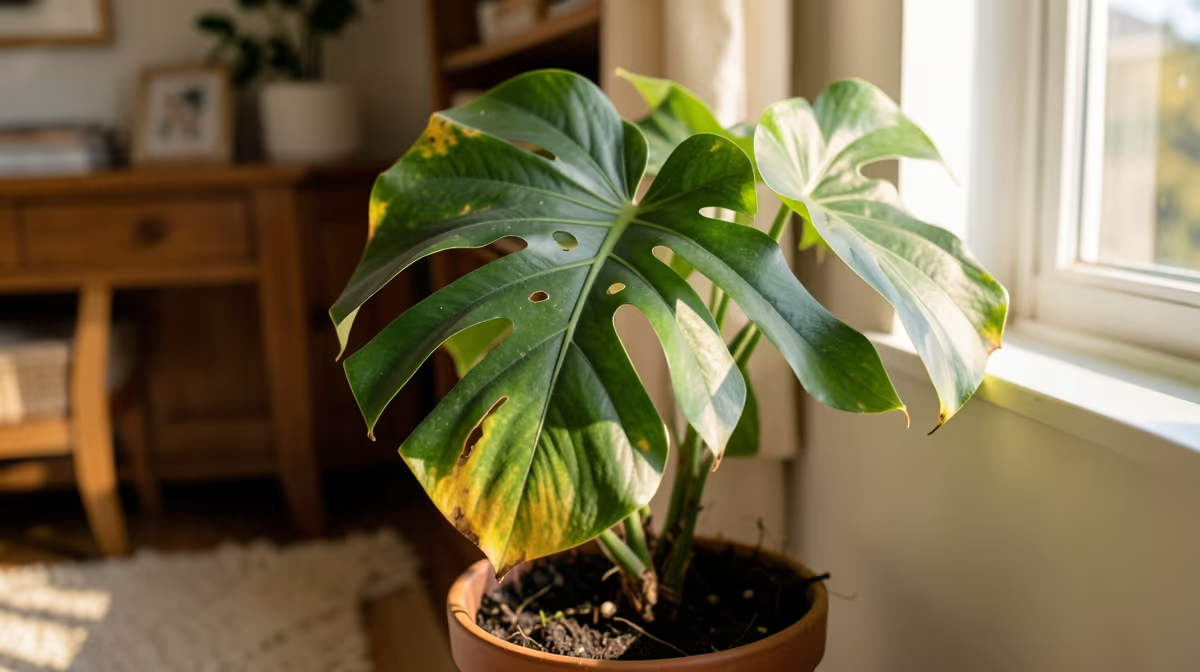
Finding that your indoor plant leaves turn yellow can feel discouraging, but it is actually one of the most common ways a plant communicates its needs to you. This discoloration, scientifically known as chlorosis, occurs when a plant loses its green pigment because its normal growth processes have been disrupted. To solve the problem, you must act as a detective and match the specific pattern of yellowing to your plant's environment.
Moisture imbalance is the cause of yellowing leaves roughly eighty percent of the time, so always check the soil moisture levels before changing any other care routine.
How to Diagnose Your Yellowing Leaves
To find the exact cure for your plant, you need to observe the texture of the leaf, where the yellowing starts, and the state of the soil. Different issues present distinct physical symptoms that tell you exactly what is going wrong beneath the surface.
| Leaf Appearance | Texture of Leaf | Likely Root Cause |
|---|---|---|
| Yellowing lower leaves, damp soil | Mushy, soft, limp | Overwatering or root rot |
| Yellowing tips and edges, dry soil | Crispy, dry, brittle | Underwatering or low humidity |
| Pale yellow all over, slow growth | Normal but weak | Nutrient deficiency |
| Yellow patches with fine webbing | Speckled, sticky | Spider mite infestation |
| Yellowing on side facing away from light | Normal but leggy | Insufficient light exposure |
Overwatering and Underwatering Issues
Watering issues are the primary reason indoor plant leaves turn yellow. When you overwater a plant, the soil becomes waterlogged, which pushes out crucial oxygen pockets. Without oxygen, the roots drown and begin to decay, leaving them unable to transport water and nutrients upward to the foliage.
Underwatering causes a different stress reaction. When a plant lacks water, it sheds its older, lower leaves to conserve its remaining moisture for its growing tips and core survival.
Always make sure your plant pots have drainage holes at the bottom, as standing water at the base of a sealed pot is the fastest route to fatal root rot.
To fix watering issues, use your finger to test the soil dryness. Insert your index finger two inches deep into the soil. If it feels wet, hold off on watering for several days. If it is completely dry and dusty, give the plant a thorough soak until water drains out of the bottom holes of the pot, then empty the collection saucer immediately.
Light and Temperature Imbalances
Plants rely on light to perform photosynthesis and maintain their green coloration. If your houseplant is sitting in a dark hallway or corner, it cannot produce enough energy, leading to pale, yellowing leaves. This usually starts from the bottom of the plant as the stems stretch awkwardly toward the nearest window.
Conversely, harsh, direct sunlight can scorch delicate indoor foliage. This shows up as bleached, yellow, or white patches on the leaves that directly face the window glass.
Temperature drafts also cause sudden yellowing and leaf drop. Keep your plants away from air conditioning vents, heating radiators, and drafty windows during the winter. Sudden drops in temperature shock the root system, causing the foliage to fail.
Nutrient Deficiencies and Soil Depletion
Potted plants have access to a limited amount of soil, and over time, they consume all the nutrients within their pot. When these nutrients are gone, the plant cannot maintain its green foliage.
Nitrogen Deficiency
Iron Deficiency
To remedy nutrient issues, apply a balanced, water-soluble fertilizer diluted to half-strength during the active growing season of spring and summer. Never fertilize a highly stressed, bone-dry, or dormant winter plant, as this can burn the already compromised roots.
Pest Infestations and Diseases
Sap-sucking pests like spider mites, mealybugs, aphids, and scale insects feed on the vital juices inside your plant's leaves. This localized damage causes small yellow spots or mottled patches to develop where the pests have pierced the plant tissue.
Spider mites are particularly common in warm, dry indoor environments. They leave behind fine webbing on the undersides of leaves and make the foliage look dull and speckled with yellow.
If you suspect pests, isolate the affected plant immediately to protect your other greenery. Wash the leaves with a gentle stream of water, then treat them with insecticidal soap or organic neem oil, making sure to coat both the tops and bottoms of the leaves.
Natural Aging Processes
Before you panic and change your entire plant care routine, consider if the yellowing is simply a natural part of the plant's life cycle. As plants grow taller, they naturally shed older leaves at the very base of the stem to direct their energy into producing brand-new foliage and flowers.
If only one or two lower leaves are turning yellow on an otherwise vibrant, fast-growing plant, this is completely normal. You can simply snip these leaves off with clean, sterilized pruning shears to keep the plant looking tidy and prevent mold from forming on the decaying tissue.
Frequently Asked Questions
Should I cut off yellow leaves?
Yes, you should prune yellow leaves once they have lost all green pigment, as they cannot photosynthesize or return to their natural color. Removing them allows the plant to focus its limited energy on producing healthy new foliage. Always use clean, sterilized shears to make the cuts at the base of the leaf stem.
Can yellow plant leaves turn green again?
Unfortunately, leaves that have completely turned yellow will not turn green again because the chlorophyll has already broken down permanently. However, if the yellowing is mild and caused by a nutrient deficiency, addressing the nutrient lack quickly might restore a light green tint to partially affected leaves. The best practice is to focus on ensuring new leaves grow healthy and green.
How do I know if my plant is overwatered or underwatered?
Overwatered plants usually have yellow leaves that feel soft, limp, and mushy, and the soil will feel soggy and smell musty. In contrast, underwatered plants will have dry, crispy yellow leaves with brown edges, and the soil will be completely dry and pulled away from the sides of the pot. Checking the moisture level of the soil with your finger is the most reliable way to confirm.
Why are the lower leaves of my plant turning yellow?
Lower leaves often turn yellow due to natural aging as the plant sheds older foliage to support new growth at the top. However, if multiple lower leaves turn yellow simultaneously, it typically indicates a moisture issue, light starvation, or a nitrogen deficiency in the soil.
Conclusion
Yellowing leaves on your houseplants are simply diagnostic signs pointing to a specific environmental issue. By carefully evaluating soil moisture, light levels, nutrient availability, and pest activity, you can easily determine the underlying cause and apply the correct fix. Remember to check your plants weekly, adjust your watering schedule to the seasons, and prune away old yellow foliage to keep your indoor garden thriving and green.


