
Easy ways how to get rid of gnats in houseplant soil today.
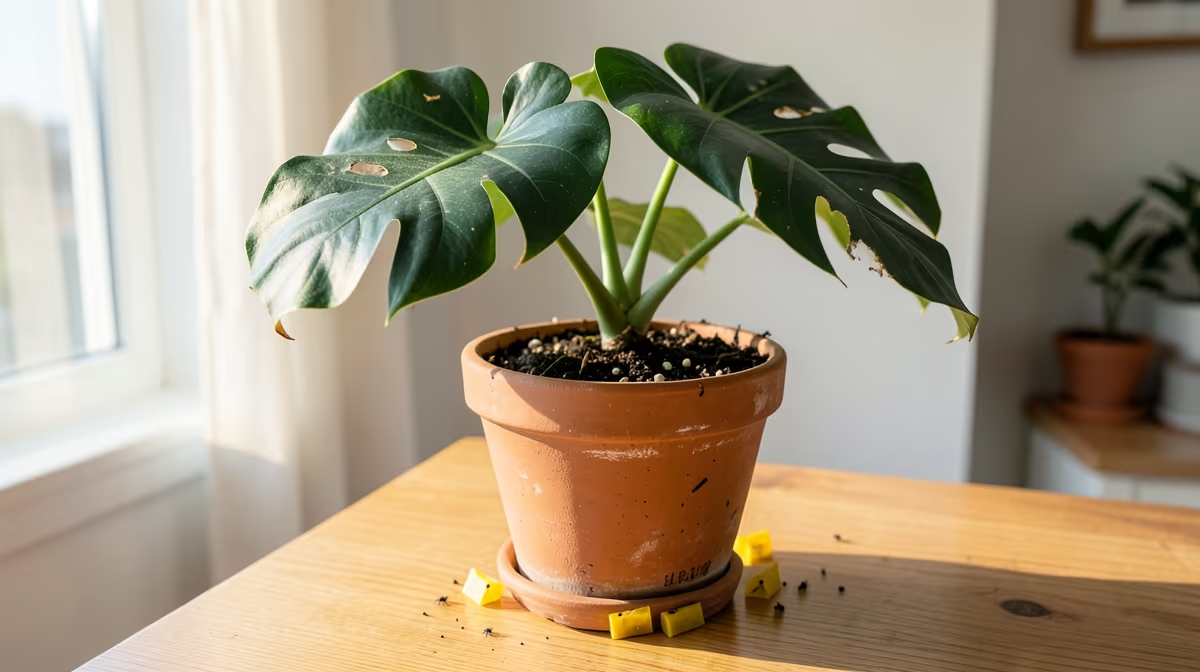
Seeing tiny black bugs buzzing around your indoor foliage is incredibly frustrating. Learning how to get rid of gnats in houseplant soil is the key to restoring peace to your home and keeping your potted plants thriving. These pests, commonly known as fungus gnats, lay their eggs in moist potting mixes where their offspring feed on organic matter and delicate plant roots. If left untreated, a minor annoyance can quickly turn into a full-scale infestation that weakens your plants. Fortunately, you can eliminate these pests permanently using simple, targeted methods that disrupt their lifecycle.
The most effective way to eliminate fungus gnats is to dry out the top two inches of soil, target adult gnats with sticky traps, and drench the soil with Bacillus thuringiensis israelensis (BTI) to kill the larvae.
Understanding the Fungus Gnat Life Cycle
Before you can successfully clear your plants of pests, you must understand what you are fighting. The flying pests you see hovering around your leaves are only the adult stage of fungus gnats, representing about ten percent of the total population in your pot. The remaining ninety percent exists beneath the surface as eggs, larvae, and pupae.
Adult females lay hundreds of microscopic eggs in the top layer of damp soil. Within days, these eggs hatch into translucent, white-bodied larvae with distinct black heads. These larvae feed voraciously on fungi, decaying organic material, and the fine root hairs of your plants. This feeding can stunt your plant's growth, cause leaves to yellow, and introduce root rot pathogens. After pupating, they emerge as flying adults to repeat the cycle. To solve the problem, you must use treatments that target both the flying adults and the subterranean larvae simultaneously.
What You Will Need to Eliminate Gnats
Gathering the right supplies beforehand ensures your treatment is seamless and successful. You do not need expensive commercial chemical sprays; instead, a combination of physical barriers and organic biological controls works best.
- Yellow sticky traps to capture active adult fliers
- Bacillus thuringiensis israelensis (BTI) dunks or granules to target subterranean larvae
- Clean, sharp sand or food-grade diatomaceous earth to create a physical barrier
- A watering can with a fine pour spout
- Hydrogen peroxide (3% concentration) or pure neem oil as alternative soil drenches
Step-by-Step Guide to Removing Gnats from Soil
Follow these practical steps to systematically clean your indoor pots and protect your plants from ongoing damage.
- Let the soil dry completely. Fungus gnats require constant moisture to survive and reproduce. Allow the top two to three inches of the potting mix to dry out thoroughly before watering again. This dry zone starves the larvae and stops adult females from laying new eggs.
- Place yellow sticky traps near the soil surface. Cut the traps into smaller pieces or use pre-made stakes, placing them directly at the base of the infected plants. The bright yellow color attracts the adult gnats, trapping them before they can lay more eggs.
- Apply a biological soil drench. Mix BTI granules or dissolved dunks into your watering can according to the package instructions. Water your plants thoroughly with this mixture. The natural bacteria will specifically target and destroy the gnat larvae without harming your plants, pets, or family.
- Apply a physical barrier layer. Cover the exposed topsoil with a half-inch layer of clean aquarium sand or coarse gravel. This dry, gritty layer prevents adult gnats from reaching the moist soil below to lay eggs and stops newly hatched adults from escaping.
- Monitor and repeat the process. Keep the sticky traps in place and repeat the BTI drench during your next two waterings to ensure any newly hatched larvae are destroyed.
Treatment Methods Compared
Different solutions offer varying levels of speed and efficacy. Choosing the right method depends on your preferences and the severity of the infestation.
| Treatment Method | Target Stage | How It Works | Best Used For |
|---|---|---|---|
| Yellow Sticky Traps | Adult Gnats | Sticky surface captures fliers to stop reproduction cycle | Quick population reduction |
| BTI (Mosquito Dunks) | Larvae | Natural bacteria damages digestive systems of larvae | Safe, highly effective biological control |
| Hydrogen Peroxide (3%) | Larvae & Eggs | Chemical reaction kills larvae on contact and aerates soil | Immediate contact kill for heavy infestations |
| Diatomaceous Earth | Larvae & Adults | Microscopic sharp particles dehydrate and cut insects | Dry topsoil barrier and physical prevention |
| Neem Oil Soil Drench | Larvae | Natural compounds disrupt growth and feeding cycles | Organic prevention and mild treatment |
Common Mistakes that Keep Gnats Alive
Many indoor gardeners struggle with recurring infestations because they inadvertently create the perfect environment for these pests. Avoiding these missteps is crucial to keeping your home gnat-free.
The single most common error is overwatering your plants. Keeping the potting medium constantly wet creates a breeding ground for soil fungi, which is the primary food source for gnat larvae. If your pots do not have drainage holes, water pools at the bottom, creating stagnant, anaerobic conditions where gnats thrive.
Another common mistake is using unsealed organic fertilizers, such as fish emulsion, inside your home. These fertilizers have a strong scent and rich organic profile that acts as an immediate magnet for searching adult gnats. Additionally, many people overlook treating all of their pots. Gnats easily migrate from one pot to another. If you only treat the plant with the most visible flies, the pests will simply relocate to neighboring pots and reinfest your collection later.
Always treat every single houseplant in the same room simultaneously, even if you do not see flies buzzing around all of them, to prevent the pests from migrating and surviving in untreated soil.
How to Prevent Future Gnat Infestations
Once your soil is clean, keeping it that way requires a shift in your plant care routines. Prevention is far easier than trying to cure a widespread infestation.
Always inspect new houseplants thoroughly before bringing them into your home. Keep new additions quarantined in a separate room for at least two weeks to ensure no dormant larvae hatch and spread to your established collection. When repotting, use high-quality, sterile potting mixes stored in sealed bags. Cheap bags of soil left open outdoors frequently harbor gnat eggs and larvae.
Additionally, consider bottom-watering your plants. By sitting your pots in a shallow tray of water for fifteen minutes, the roots absorb moisture from the bottom while the top layers of soil remain dry and inhospitable to gnats. Finally, ensure your rooms have good airflow by using a small fan, which makes it incredibly difficult for weak-flying gnats to land and breed.
Frequently Asked Questions
Can I use vinegar to get rid of gnats in houseplant soil?
Apple cider vinegar traps can catch some flying adult gnats, but they do not solve the root of the problem. They fail to reach the larvae living in the soil, meaning the infestation will continue to cycle.
Will dish soap kill gnats in potting mix?
A mild dish soap spray can kill adult gnats on contact, but using it as a soil drench is not recommended. Repeated applications of soap can degrade the protective waxy coating on plant roots and cause chemical burn.
How long does it take to get rid of fungus gnats?
It typically takes two to three weeks to completely eliminate a gnat population. This timeframe matches their lifecycle, ensuring you catch all developing larvae as they hatch.
What is the fastest way how to get rid of gnats in houseplant soil?
The fastest method is using a combination of yellow sticky traps for adults and a Bacillus thuringiensis israelensis (BTI) drench for larvae. This dual-action approach stops reproduction and kills existing offspring within days.
Conclusion
Getting rid of gnats in your houseplant soil requires consistency and a two-pronged approach targeting both larvae and adult flies. By drying out your soil, using sticky traps, applying BTI drenches, and adjusting your watering habits, you can reclaim your indoor garden. Consistently practicing preventative care will keep these pests away for good.


