
Companion planting chart for vegetable gardens to boost your harvest
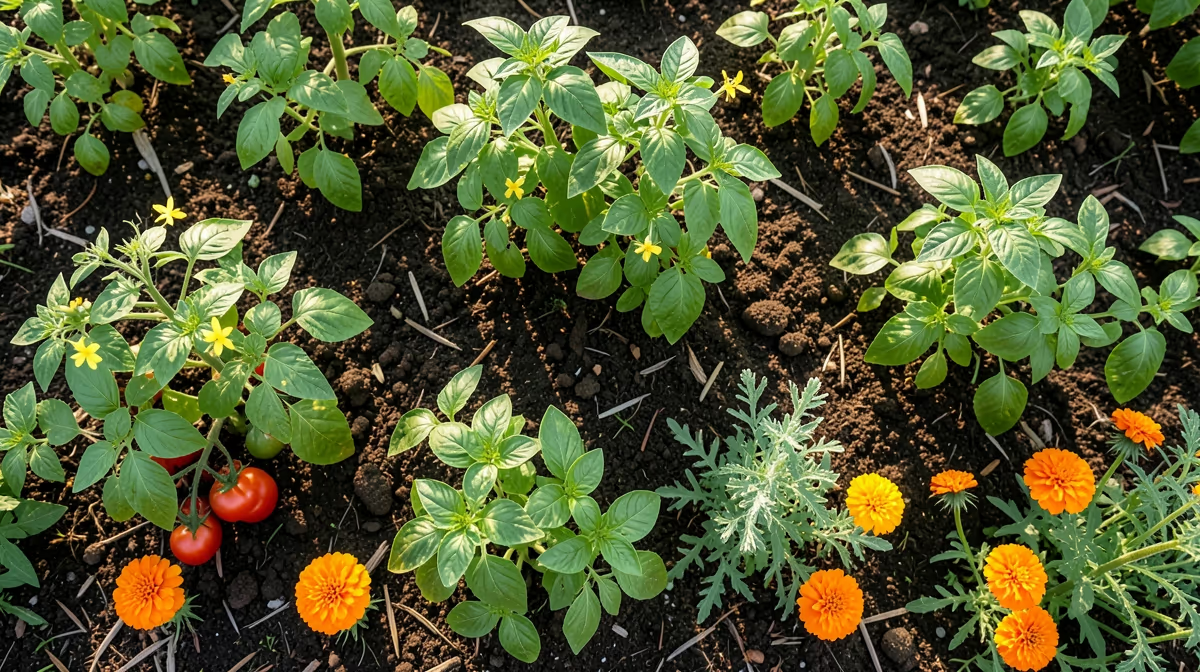
Planning a garden layout requires understanding how different plants interact, and using a companion planting chart for vegetable gardens is the easiest way to ensure your crops thrive together. By placing mutually beneficial plants side by side, you can naturally deter pests, improve soil nutrients, shade delicate roots, and significantly boost your harvest yields. Rather than relying on guesswork, organizing your vegetable patch with proven combinations creates a self-sustaining ecosystem that works on its own.
Successful companion planting depends on pairing crops with complementary growth habits, root depths, and nutrient needs to minimize resource competition while maximizing space.
The Core Benefits of Vegetable Pairing
Companion planting is an ancient agricultural practice that mimics natural ecosystems. Instead of planting large blocks of a single crop, known as a monoculture, you mix various plants that support one another.
Here are the primary reasons to use this method:
- Pest management: Some plants emit strong scents that mask the smell of target crops, confusing pests, or they attract beneficial predatory insects.
- Physical support and shade: Tall plants provide natural trellising for climbing crops, while wide-leafed varieties shade the soil, reducing moisture loss.
- Soil health improvement: Certain vegetables pull essential elements from the air and fix them into the soil, feeding nearby leafy greens.
- Weed suppression: Dense, low-growing plants act as a living mulch, preventing weed seeds from receiving sunlight.
The Ultimate Companion Planting Chart
Use this quick-reference table to plan your garden beds. It pairs popular home-garden crops with their ideal partners and details which plants to keep far apart.
| Vegetable | Great Companions | Plants to Avoid |
|---|---|---|
| Tomatoes | Basil, Marigolds, Garlic, Carrots | Potatoes, Fennel, Cabbage |
| Carrots | Rosemary, Sage, Lettuce, Radishes | Dill, Fennel, Parsnips |
| Potatoes | Bush Beans, Corn, Garlic, Marigolds | Tomatoes, Sunflowers, Fennel |
| Onions | Carrots, Lettuce, Cabbage, Beets | Peas, Beans, Sage |
| Lettuce | Radishes, Chives, Carrots, Cucumbers | Fennel, Celery |
| Cucumber | Radishes, Peas, Beans, Nasturtiums | Potatoes, Strong Herbs |
| Cabbage | Mint, Rosemary, Thyme, Onions | Tomatoes, Peppers, Mustard |
| Beans | Corn, Squash, Cucumbers, Rosemary | Garlic, Onions, Fennel |
Best Plant Combinations for Common Vegetables
To get the most out of your layout, let's explore why certain combinations work so well.
Tomatoes and Basil
This is perhaps the most famous pairing in organic gardening, and for good reason. Basil repels thrips, hornworms, and flies while helping to improve the flavor of the tomatoes growing nearby. Additionally, both plants thrive in the exact same warm, sunny conditions and require similar watering schedules, making garden maintenance simple.
The Three Sisters (Corn, Beans, and Squash)
Indigenous agricultural traditions perfected this system centuries ago. Sweet corn grows tall and provides a sturdy vertical trellis for climbing pole beans. The beans, in turn, stabilize the corn stalks during high winds and convert atmospheric nitrogen into a form the corn roots can absorb. Finally, low-growing squash leaves spread across the soil surface, acting as a living mulch to conserve soil moisture and suppress weeds.
Carrots and Rosemary
Carrots are highly susceptible to the carrot rust fly, a pest that finds its target host by scent. Planting highly aromatic herbs like rosemary, sage, or chives nearby masks the sweet scent of carrots, making it difficult for the rust fly to locate them.
Plant Pairings You Should Always Avoid
While good neighbors help each other grow, bad neighbors can stunt growth, compete for resources, or attract damaging pests.
Never plant fennel near any other vegetable in your garden, as it secretes chemical compounds from its roots that actively stunt the growth of almost all neighboring crops.
- Heavy feeders together: Avoid planting heavy feeders like cabbage right next to tomatoes, as they will aggressively compete for the same soil nutrients.
- Disease sharing: Keep potatoes and tomatoes separated. Since they belong to the same nightshade family, they are susceptible to the same fungal blights, which can easily spread back and forth.
- Allelopathic plants: Sunflowers emit chemicals that can inhibit the germination of nearby seeds, so give them their own dedicated corner of the garden.
Tips for Designing Your Garden Layout
Creating a highly productive layout using a companion planting chart for vegetable gardens requires a bit of strategic planning. Follow these steps when mapping out your beds:
- Map out your sun exposure: Place taller plants like corn, sunflowers, or trellised peas on the north side of your garden so they do not cast unwanted shadows on shorter, sun-loving plants.
- Group plants by water needs: Pair thirsty plants like celery and cucumbers together, and keep drought-tolerant herbs in a separate bed.
- Plant flowers and herbs among your vegetables: Do not relegate flowers to the borders. Interplanting marigolds, nasturtiums, and sweet alyssum directly inside your vegetable rows draws in vital pollinators and beneficial insects.
- Consider root depth: Combine shallow-rooted leafy greens with deep-rooted root vegetables like carrots or parsnips so they pull nutrients from different soil levels.
Common Companion Planting Mistakes to Avoid
It is easy to make a few missteps when trying companion planting for the first time.
- Overcrowding: Just because two plants are good companions does not mean they can be planted on top of each other. Always respect the mature spacing guidelines on your seed packets.
- Forgetting crop rotation: Even if you have a perfect layout, do not plant the exact same combinations in the exact same spot year after year. Rotate plant families annually to prevent soil diseases from building up.
- Planting too many mint family members: While mint is an excellent pest repeller, it spreads aggressively via underground runners. Always grow mint in containers set near your garden beds rather than directly in the ground.
Frequently Asked Questions
Can I plant potatoes and tomatoes near each other?
No, you should keep tomatoes and potatoes separated in your garden. Because they belong to the same plant family, they easily spread destructive diseases like early and late blight to one another.
What is the best companion plant for tomatoes?
Basil and marigolds are the best all-around companion plants for tomatoes. Basil helps repel common pests like thrips and flies, while marigolds deter soil nematodes and other destructive insects.
Why is fennel considered a bad companion plant?
Fennel releases allelopathic chemicals from its root system that inhibit and stunt the growth of almost all surrounding plants. It is best to grow fennel in its own isolated container far away from your vegetable beds.
How does crop rotation work with companion planting?
Crop rotation involves moving plant families to different beds each season to prevent pest cycles and soil depletion. You should rotate your companion plant groupings together, ensuring that heavy-feeding families do not grow in the same soil two years in a row.
Conclusion
Using a companion planting chart simplifies the process of designing a highly productive, balanced vegetable garden. By grouping plants that naturally support one another's growth and avoiding incompatible pairs, you can reduce pest damage and maximize your harvest. Start with a few classic pairings this season, and watch your garden thrive with less effort.


