
Tulsi leaves turning brown: how to identify and fix the causes
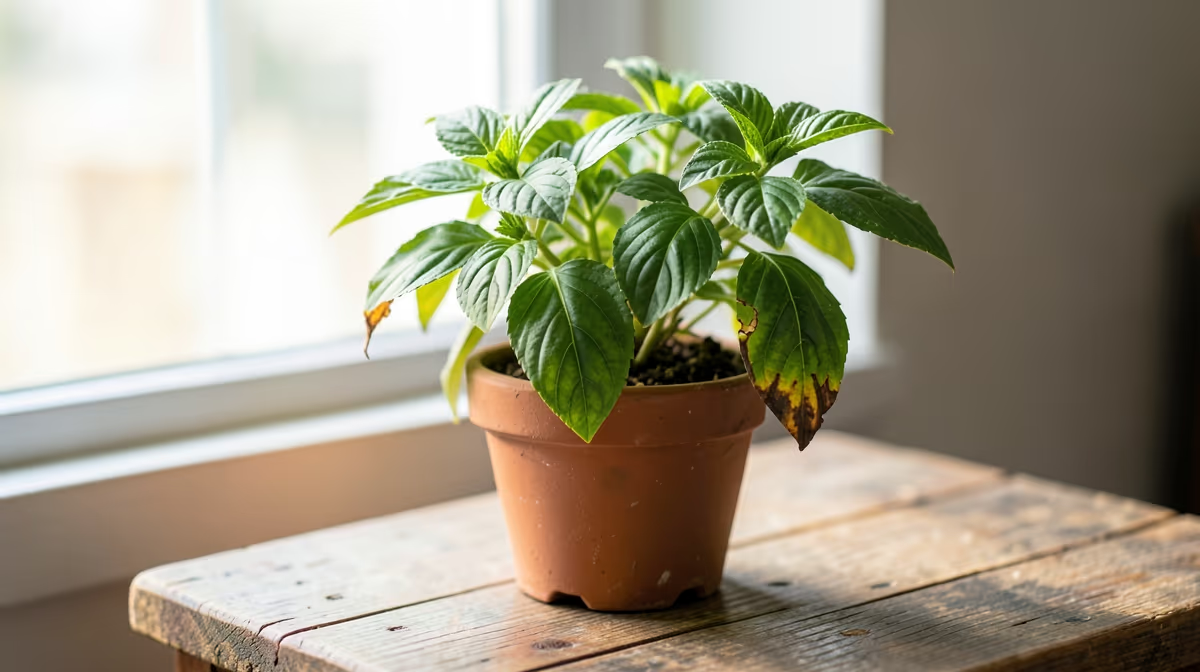
For many gardeners, holy basil is more than just a plant; it is a sacred, aromatic addition to the home garden valued for its medicinal properties and serene presence. However, finding your tulsi leaves turning brown can be incredibly distressing and indicates that your plant is experiencing environmental stress. This discoloration is a clear distress signal that something in its growing conditions is out of balance.
Tulsi leaves turn brown primarily due to root damage from overwatering, cold exposure, or pest stress, but adjusting your care routine can quickly revive your plant.
Primary Causes of Brown Tulsi Leaves
To fix the issue, you must first understand the environmental factors affecting your holy basil. Tulsi is a tropical perennial that thrives in warm, sunny, and moderately humid conditions. When its basic needs are unmet, the foliage quickly shows signs of damage.
Overwatering and Poor Drainage
This is the most common reason for brown foliage. Holy basil needs consistent moisture, but it cannot tolerate sitting in waterlogged soil. When the soil remains constantly wet, oxygen cannot reach the roots, leading to root rot. As the root system decays, it can no longer transport water and nutrients to the canopy, causing the leaf tips and edges to turn dark brown or black.
Underwatering and Soil Dryness
While too much water is dangerous, dry conditions will also damage your plant. If the soil dries out completely for extended periods, the lower leaves will wilt, turn dry and light brown, and eventually drop off. This dry browning usually begins at the very tips of the leaves as the plant sacrifices its outer foliage to conserve moisture for its core stem.
Temperature Drops and Cold Drafts
Holy basil is highly sensitive to cold temperatures. Exposure to temperatures below 50 degrees Fahrenheit slows down its growth, while frost causes immediate cellular damage. If your plant is left outdoors during a cold snap, or placed near a drafty window or air conditioner indoors, the leaves will rapidly develop dark brown or black patches.
Inadequate Sunlight
Tulsi requires at least six hours of direct sunlight daily to maintain its essential oil production and vigorous growth. When kept in deep shade or dark indoor corners, the plant cannot photosynthesize efficiently. The lower leaves often yellow first, then turn a dull brown before falling off.
Pest Infestations and Fungal Diseases
Sap-sucking pests like spider mites, aphids, and whiteflies love to feed on holy basil. Their feeding punctures disrupt the leaf tissue, leading to small brown speckles that eventually merge into larger brown patches. Additionally, fungal infections like leaf spot disease thrive in humid, poorly ventilated spaces, creating distinct brown or black circular spots on the foliage.
How to Diagnose the Issue
Since different problems can produce similar symptoms, you need to look at the overall state of your plant, soil, and pot to pinpoint the exact issue. Use this diagnostic table to identify what is affecting your holy basil.
| Leaf Appearance | Soil Condition | Likely Cause |
|---|---|---|
| Soft, dark brown or black spots starting at the base | Consistently wet, soggy, or foul-smelling | **overwatering** or root rot |
| Dry, crispy brown edges starting at the leaf tips | Bone dry, pulling away from the sides of the pot | Underwatering |
| Sudden, widespread dark brown patches after a cold night | Varies | Frost or cold temperature shock |
| Tiny brown speckles accompanied by fine webbing | Dry or normal | Spider mites or other sap-sucking pests |
| Distinct brown spots with yellow halos | Damp or humid environment | Fungal leaf spot disease |
Step-by-Step Restoration Guide
When dealing with tulsi leaves turning brown, a systematic approach is essential to revive the plant without causing further shock. Follow these steps to restore your holy basil to health.
- Inspect the root system. Gently slide the plant out of its pot. Healthy roots are firm and light tan or white. If you find mushy, black, or foul-smelling roots, you are dealing with root rot.
- Prune away damaged areas. Use sterilized pruning shears to clip away any completely brown, dead, or diseased leaves. If root rot is present, trim away the mushy roots as well, leaving only the healthy, firm sections.
- Repot in fresh media. If the soil was waterlogged, discard it. Clean the pot thoroughly with soapy water and refill it with fresh, well-draining soil mixed with coarse sand or perlite.
- Adjust the location. Move your container to a warm spot that receives at least six hours of bright, indirect sunlight daily. Ensure it is shielded from cold drafts, radiators, and air conditioning vents.
- Establish a proper watering routine. Water the plant thoroughly only when the top inch of soil feels dry to the touch. Allow all excess water to drain out of the bottom of the pot, and never let the container sit in a saucer filled with standing water.
Preventive Care for Healthy Foliage
Maintaining a stable environment is key to keeping your holy basil vibrant and green throughout the year.
Ensure you are using a container with ample drainage holes at the bottom. Terracotta pots are excellent for holy basil because the porous clay allows excess moisture to evaporate from the sides of the pot, reducing the risk of waterlogged soil.
Always water your holy basil in the morning so the sun can evaporate any excess moisture on the leaves, which significantly reduces the risk of fungal infections.
During the winter months, bring outdoor potted plants indoors before the first frost hits. If you live in a region with harsh winters, treat your plant as an indoor houseplant during the cold season, placing it near a bright, south-facing window.
Common Mistakes to Avoid
To ensure your plant continues to thrive, avoid these common pitfalls that often lead to leaf discoloration.
- Watering on a strict calendar schedule instead of checking the actual soil moisture with your finger.
- Using heavy garden soil in pots, which compacts easily and suffocates the root system.
- Misting the leaves excessively in cool, unventilated rooms, which creates the perfect breeding ground for fungal spores.
- Applying heavy doses of chemical fertilizers to a stressed, brown-leafed plant, which can burn the remaining healthy roots.
Frequently Asked Questions
Should I cut off brown tulsi leaves?
Yes, you should prune away completely brown or severely damaged leaves using sterile shears. Removing dead foliage improves air circulation, prevents the spread of potential fungal diseases, and allows the plant to redirect its energy toward producing healthy new growth.
How often should I water my tulsi plant?
You should water your tulsi plant only when the top inch of the soil feels completely dry to the touch. This typically translates to once every two to three days in warm weather, and significantly less during the cool winter months.
Can a tulsi plant recover from root rot?
A tulsi plant can recover from root rot if the issue is caught early and at least half of the root system is still healthy. You must trim away the decayed roots, treat the remaining roots with a mild fungicide or chamomile tea rinse, and repot the plant in fresh, dry, well-draining soil.
Why are my indoor tulsi leaves turning brown in winter?
Indoor tulsi leaves usually turn brown in winter due to a combination of dry indoor air from heating systems, cold drafts from windows, and reduced sunlight. Keep the plant in a warm room, use a grow light if necessary, and ensure it is kept away from cold glass panes.
Conclusion
Brown leaves on a tulsi plant are a common warning sign of environmental stress, usually linked to improper watering, cold temperatures, or poor drainage. By carefully inspecting the soil and roots, pruning away damaged foliage, and establishing a consistent watering routine in a warm, sunny spot, you can easily nurse your holy basil back to its naturally vibrant state.


