
Money plant leaves turning yellow: How to save your plant
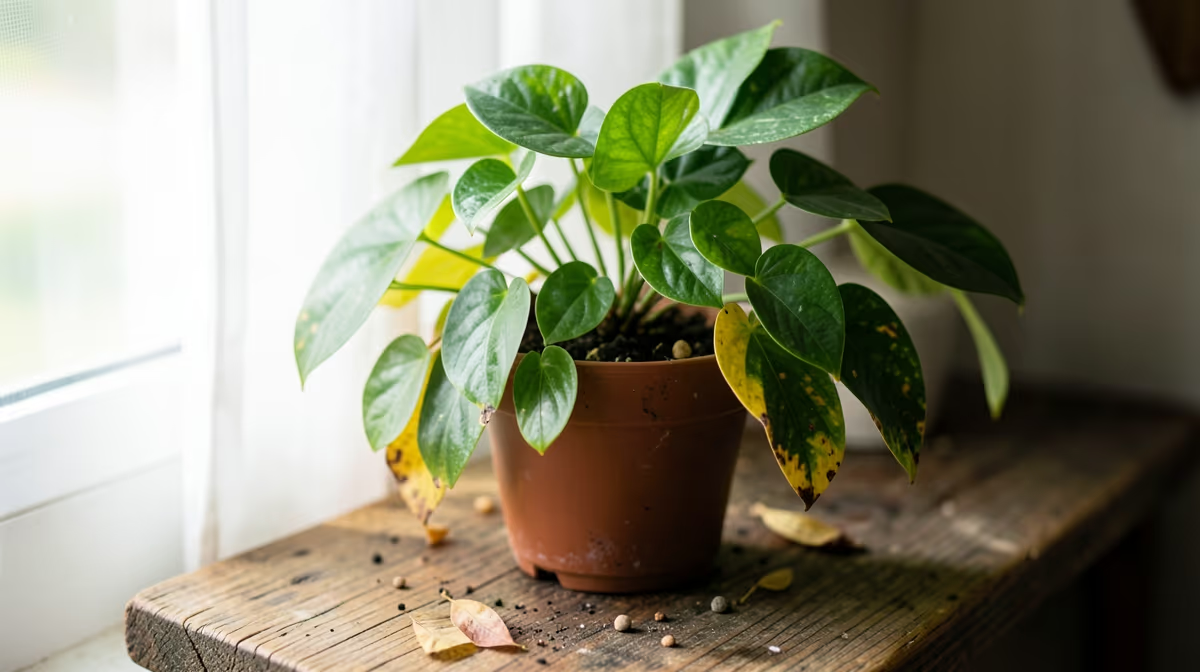
Seeing your money plant leaves turning yellow can be frustrating, especially when this hardy vine is usually so easy to grow. While a yellow leaf here and there is normal as the plant ages, widespread yellowing indicates that your plant is experiencing environmental stress. By identifying the root cause of the discoloration, you can easily adjust your care routine and nurse your houseplant back to vibrant health.
Overwatering is the most common reason money plant leaves turn yellow, but adjusting light levels and watering only when the top two inches of soil are completely dry will usually resolve the issue.
The Most Common Causes of Yellowing Leaves
Understanding the primary culprits behind yellowing leaves helps you narrow down what is happening in your plant's specific environment.
Overwatering and Root Rot
When you water your money plant too frequently, the soil remains constantly wet, preventing the roots from absorbing oxygen. This lack of oxygen suffocates the roots and can lead to root rot, a fatal condition where the root system decays and can no longer transport nutrients up to the leaves. Limp, pale yellow leaves across the entire plant are the classic warning sign of this issue.
Underwatering and Dry Soil
If you neglect your watering schedule for too long, the soil dries out completely. Without enough water, the plant cannot maintain its cell structure or photosynthesize properly. Under-watered yellow leaves are typically dry, paper-like, and may have brown, crispy edges before they drop off.
Poor Lighting Conditions
While money plants are highly adaptable, they have specific lighting limits. Too little light slows down photosynthesis, causing the plant to shed older leaves to conserve energy. Conversely, direct, harsh sunlight can scorch the foliage, leaving behind bleached, yellow, or white patches.
Nutrient Deficiencies
Over time, your money plant will consume all the available nutrients in its potting soil. A lack of essential minerals, particularly nitrogen or magnesium, causes a condition called chlorosis. This presents as a general yellowing of the leaves while the veins remain green, or a slow yellowing of the oldest leaves at the base of the vine.
How to Tell the Difference: A Diagnostics Guide
Because different problems can produce similar yellow shades, you need to look at the soil moisture, leaf texture, and location of the yellowing to make an accurate diagnosis.
| Cause | Leaf Appearance | Soil Condition | Quick Fix |
|---|---|---|---|
| Overwatering | Soft, limp, pale yellow | Soggy or muddy | Let soil dry completely and reduce watering frequency |
| Underwatering | Dry, crispy edges, bright yellow | Bone dry and shrinking | Give a deep soak and water more regularly |
| Low Light | Faded yellow, slow growth | Damp for too long | Move closer to a bright, indirect light source |
| Nutrition | Patchy yellowing, green veins | Normal moisture | Apply a balanced liquid fertilizer at half strength |
Step-by-Step Guide to Saving Your Money Plant
Once you have identified the likely cause of the yellowing, follow these steps to rehabilitate your plant and encourage fresh green growth.
- Inspect the soil: Stick your finger two inches deep into the potting mix. If it feels wet, hold off on watering. If it is dry and dusty, your plant needs a thorough drink.
- Check the roots: If you suspect overwatering, gently slide the plant out of its pot. Healthy roots are white and firm. If you see black, mushy, foul-smelling roots, trim them away with clean scissors and repot the plant in fresh, well-draining soil.
- Reposition the plant: Move your money plant to a location that receives plenty of bright, filtered sunlight. A spot near an east- or north-facing window is ideal.
- Establish a watering routine: Water only when the top two inches of soil are dry. Pour water evenly over the soil until it drains out of the bottom holes, then empty the drainage tray immediately.
Essential Watering and Light Rules for Money Plants
Consistent habits are the key to preventing your money plant leaves turning yellow in the future. Money plants thrive when you mimic their natural tropical habitat.
To keep the soil balanced, always ensure your pot has adequate drainage holes at the bottom. Never let the pot sit in standing water inside a decorative saucer, as this keeps the soil saturated.
In terms of light, money plants thrive in bright, indirect light rather than direct sunbeams. If you do not have access to bright natural light, these plants can also grow well under fluorescent office lights or dedicated grow lights.
When to Prune Yellow Leaves
Yellow leaves will not turn green again. Once a leaf has lost its chlorophyll, the plant is no longer using it for photosynthesis, and keeping it attached only drains energy.
Warning: Always use sterilized pruning shears when cutting away yellow leaves to prevent the spread of soil-borne pathogens to healthy parts of the plant.
Cut the yellow leaves off at the base of their petiole, close to the main vine. This redirects the plant's energy toward producing healthy new growth. If more than half of the plant's leaves are yellow, do not prune them all at once; remove them in stages over a few weeks to avoid shocking the plant.
Frequently Asked Questions
Should I cut off yellow money plant leaves?
Yes, you should prune yellow leaves as they cannot recover their green color. Removing them allows the plant to redirect its energy toward producing healthy new foliage and root growth.
How often should I water my money plant?
There is no set calendar schedule, but you should generally water a money plant once every 7 to 10 days. Always check the soil first and only water when the top two inches feel completely dry to the touch.
Can a money plant recover from yellow leaves?
While individual yellow leaves cannot turn green again, the plant itself can fully recover. Once you correct the underlying issue—such as overwatering or low light—the plant will stop dropping leaves and start growing healthy new green vines.
Why are only the bottom leaves of my money plant turning yellow?
If only the oldest leaves at the base of the plant are turning yellow and dropping off one by one, this is usually a natural aging process. However, if multiple bottom leaves turn yellow quickly, it may indicate a nitrogen deficiency or the early stages of underwatering.
Conclusion
Money plant leaves turning yellow is a clear distress signal, but it is highly treatable. By checking the soil moisture, optimizing your watering schedule, and ensuring your plant receives bright, indirect light, you can easily stop the yellowing and restore your plant to its lush, vibrant state.


