
Starting seeds indoors mistakes you can easily avoid this spring
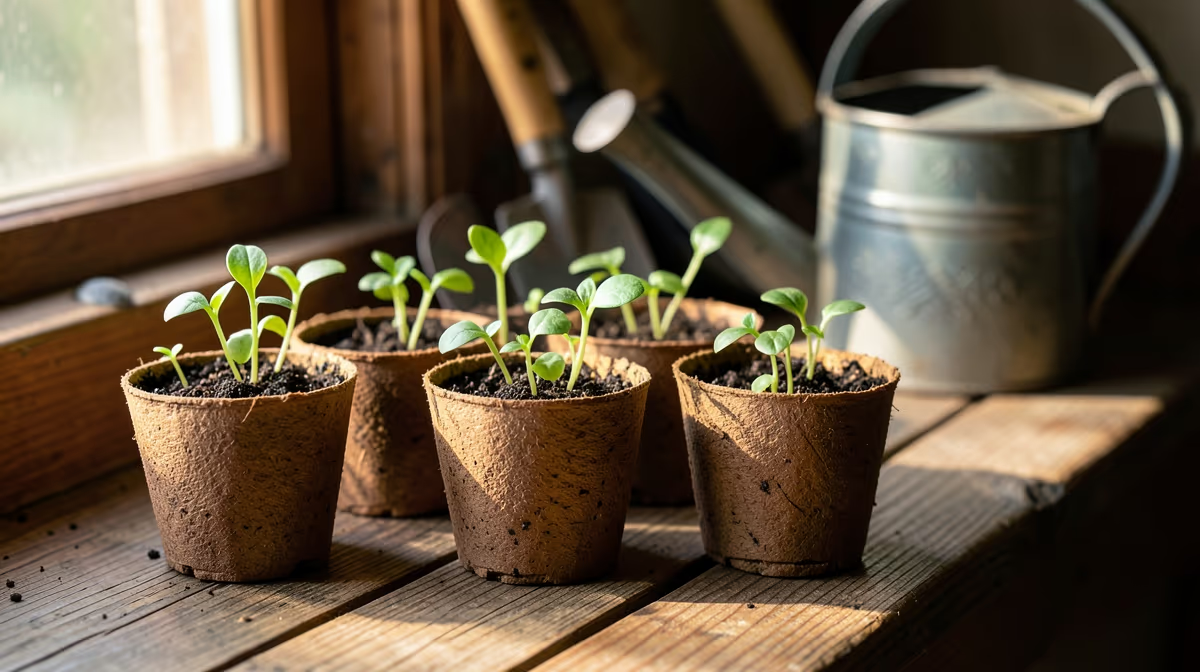
Planting your own seeds is one of the most rewarding ways to kickstart the gardening season, but the transition from a tiny seed to a robust garden plant is full of subtle hurdles. Many gardeners encounter common starting seeds indoors mistakes that can lead to weak, spindly sprouts or complete crop failure before the outdoor season even begins. Understanding what can go wrong during this early, fragile stage of growth is the key to raising vibrant transplants. By identifying and correcting these issues early on, you can ensure your garden thrives from day one.
Providing the correct balance of light, moisture, and soil temperature is far more critical for indoor seed starting success than adding fertilizer or using expensive gear.
Using the Wrong Soil Mix
Using ordinary garden soil or leftover potting soil from last year's containers is a common error. Garden soil is too dense for delicate, emerging roots. It compacts easily when watered, cutting off the oxygen that seeds need to germinate. Additionally, outdoor soil contains bacteria, fungi, weed seeds, and pests that can easily destroy young seedlings in a confined indoor environment.
To avoid this, you should always use a sterile, lightweight seed starting mix. This medium is usually a soil-less blend of peat moss, coco coir, perlite, and vermiculite. It holds just enough moisture while allowing excellent drainage and aeration.
| Growing Medium | Aeration | Water Retention | Sterility |
|---|---|---|---|
| Seed Starting Mix | High | High | Sterile |
| Potting Soil | Medium | Medium | Usually Sterile |
| Garden Soil | Low | High (Compacts) | Contains Pathogens |
Providing Insufficient or Incorrect Lighting
Seedlings require far more light than mature house plants. One of the most frequent errors is relying solely on a sunny windowsill. While windowsills seem bright to human eyes, the light intensity is usually too low and inconsistent. This lack of light causes seedlings to stretch dramatically toward the window, resulting in weak, pale, and leggy stems that easily bend and snap.
To grow sturdy plants, you need to use artificial grow lights. Keep the lights positioned extremely close to the plants—usually just two to four inches above the canopy for fluorescent tubes or six to twelve inches for LEDs. As the plants grow, you must adjust the height of the light fixture to maintain this distance.
Choosing the Right Grow Lights
Standard household light bulbs do not provide the full spectrum of light necessary for photosynthesis. Look for full-spectrum LED or fluorescent grow lights labeled active for plant growth. These bulbs emit the cool blue light waves that encourage leafy, compact growth rather than tall, weak stems.
Setting the Correct Light Duration
Leaving your grow lights on twenty-four hours a day is not beneficial. Plants require a period of darkness to rest and complete vital metabolic processes. Keep your lights on for fourteen to sixteen hours a day, and use an automatic timer to keep the schedule consistent.
Watering Too Much or Too Little
Watering requires a delicate balance. If the soil is too dry, germinating seeds will wither and die before they can break through the surface. However, overwatering is far more common and dangerous. When the soil is constantly saturated, oxygen is pushed out, and the roots literally suffocate.
Excessive moisture also invites a devastating fungal disease known as damping off. This disease attacks the stem at the soil line, causing the seedling to collapse and die overnight.
Damping off is a soil-borne fungal disease that causes young, healthy-looking seedlings to suddenly collapse at the soil line; it thrives in wet, cool conditions with poor air movement.
To prevent watering issues, water your seedling trays from the bottom rather than spraying them from the top. Pour water into the bottom tray, let the soil soak up the moisture through the drainage holes for fifteen minutes, and then pour out any excess water.
Sowing Seeds at the Incorrect Depth
Sowing seeds too deep or too shallow will directly affect germination rates. If you plant a seed too deep, it will run out of stored energy before it can reach the light at the soil surface. If you plant it too shallow, it may dry out and fail to sprout, or its roots may not anchor properly.
As a general rule, you should plant seeds at a depth that is roughly two to three times their width. However, some plants require light to trigger germination.
- Seeds that need light: lettuce, snapdragons, and petunias should be pressed gently onto the damp soil surface without being covered.
- Seeds that need dark: tomatoes, peppers, and squash need to be buried at their recommended depths to successfully germinate.
Always read the back of your seed packet for specific depth instructions before sowing.
Overcrowding and Skipping the Thinning Process
It is tempting to let every single sprouted seed grow, but failing to thin your seedlings will eventually stunt them all. When multiple seeds germinate in a single small cell, they immediately begin to compete for light, water, nutrients, and root space. This competition leads to weak, stressed plants.
Once your seedlings develop their first set of true leaves, you must thin them down to one strong plant per cell. Do not pull the unwanted seedlings out of the soil, as this can damage the delicate root system of the seedling you want to keep. Instead, use a small pair of clean scissors to snip the weaker seedlings off at the soil level.
Ignoring Air Circulation and Soil Temperature
While air temperature in a home is usually comfortable for humans, the soil temperature in a seedling tray can be ten degrees cooler due to evaporation. Most warm-season seeds, like peppers and tomatoes, require a soil temperature between 70 and 80 degrees Fahrenheit to germinate reliably. Cold soil leads to slow germination or seed rot.
Using a waterproof seedling heat mat underneath your trays will warm the soil and speed up germination. Once the seeds sprout, remove the heat mat to prevent the plants from growing too quickly and becoming soft.
Additionally, stagnant air encourages mold growth and weakens stems. Indoors, plants do not experience the natural wind that strengthens their stalks. Setting up a small, oscillating fan on a low setting a few feet away from your seedling tray will create a gentle breeze. This constant movement stimulates the stems to grow thicker and tougher.
Hardening Off Too Quickly
Failing to prepare your plants for the transition outdoors is one of the final starting seeds indoors mistakes you can make. Seedlings grown indoors live in a sheltered environment with stable temperatures, filtered light, and no wind. If you take these tender plants and put them directly into the garden, they will experience severe transplant shock. The wind can snap their stems, and the direct sun can scorch their leaves, often killing them in a single day.
To prevent this, you must gradually introduce your plants to the outdoors over a period of seven to ten days. This transitional process is called hardening off.
- Day 1-2: Place the seedlings in a sheltered, shady spot out of direct wind for one to two hours, then bring them back inside.
- Day 3-4: Move them into dappled sunlight for three to four hours, monitoring them for any signs of wilting.
- Day 5-6: Increase their time outside to six hours, allowing them to experience some gentle morning sun.
- Day 7-10: Leave the plants outside all day in direct sun, bringing them in only if overnight temperatures threaten to drop below their tolerance level. After this period, they are ready to be planted directly into your garden beds.
Frequently Asked Questions
Can I use regular garden soil to start seeds indoors?
No, regular garden soil is too dense, compacts easily, and lacks the aeration required for tiny seedling roots. It also contains wild pathogens, weed seeds, and pests that can kill your indoor seedlings before they can establish.
How do I know if my seedlings are not getting enough light?
Seedlings that lack light will become unusually tall, pale, and spindly as they stretch toward the nearest light source. This weak structure makes them prone to breaking easily at the base when watered or moved.
What is the best way to water indoor seedlings without overwatering them?
The safest method is bottom-watering by pouring water into the tray beneath your seedling pots and allowing the soil to draw moisture upward. After fifteen minutes, empty any remaining water from the tray to prevent the roots from sitting in soggy soil.
When should I start thinning out my seedlings?
You should thin your seedlings as soon as they develop their first set of true leaves, which grow after the initial round of baby leaves. Snip the weaker seedlings at the soil level with scissors to avoid disturbing the roots of the remaining plant.
What happens if I do not harden off my seedlings before planting them outside?
If you skip the hardening off process, your seedlings will likely experience severe transplant shock from sudden exposure to wind and direct sunlight. This shock can scorch their leaves, snap their delicate stems, or kill the plants entirely.
Conclusion
Growing your own plants from scratch requires attention to detail, but avoiding these starting seeds indoors mistakes will set you up for garden success. By choosing a proper seed starting mix, providing close and consistent light, watering from the bottom, and carefully acclimating your plants to the outdoors, you can easily raise healthy, vigorous transplants. Consistency and patience during these early weeks will pay off with a bountiful, thriving garden all season long.


