
Best Time of Day to Water Outdoor Plants for Healthy Growth
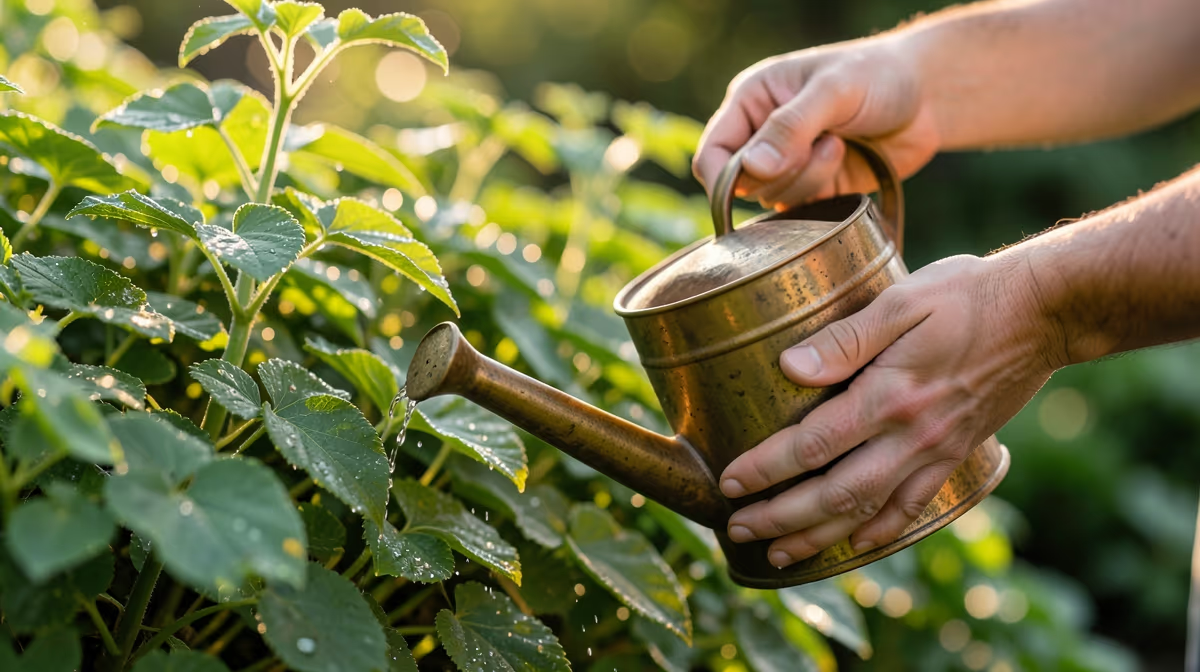
Watering your garden at the right moment can mean the difference between a struggling plot and a lush, thriving landscape. Knowing the best time of day to water outdoor plants helps you maximize moisture absorption while keeping destructive fungal diseases at bay.
Watering your plants in the early morning, before the heat of the day sets in, is the single most effective way to ensure deep hydration and prevent fungal diseases.
Why Morning Is the Best Time to Water
The early morning hours provide the perfect environment for your garden to drink. Between 5:00 AM and 9:00 AM, the air is cool, the wind is calm, and the sun is low on the horizon. This combination of factors creates a highly efficient watering window.
When you apply water during these hours, the moisture has time to seep deep into the soil and reach the root zone without being immediately lost to evaporation. Because the soil is still cool from the night, it absorbs water much more readily than hot, baked earth.
Furthermore, morning watering prepares your plants for the upcoming heat of the day. As the sun rises and temperatures climb, plants begin their daily cycle of transpiration—releasing water vapor through their leaves. Having a fresh, deep supply of water available in the root zone prevents heat stress and keeps your plants turgid and upright through the hottest afternoon hours.
The Risks of Watering at Other Times
While plants need water to survive, applying it at the wrong hour can inadvertently damage them. Watering during midday or late in the evening presents distinct challenges that can harm your garden's health.
Midday Watering and Evaporation
Watering under the scorching midday sun is incredibly inefficient. When temperatures are high and the sun is directly overhead, water evaporates rapidly from the soil surface before it can sink down to the roots.
- You end up using much more water to achieve the same level of hydration.
- Wind levels are typically higher in the afternoon, which blows water droplets away from your targeted plants.
- Wetting the foliage in intense midday sun can sometimes cause minor leaf spotting, though the biggest issue remains water waste.
Evening Watering and Disease
While evening seems like a convenient alternative to the morning, it comes with significant health risks for your plants. When you water late in the day, the water droplets sit on the leaves and stems all night long because there is no sun to dry them.
Wet foliage in the cool, dark hours of the night creates an ideal breeding ground for fungal pathogens like powdery mildew and black spot.
Prolonged moisture on leaves also attracts nocturnal pests. Slugs, snails, and earwigs thrive in damp, dark environments and will quickly migrate to plants that have been freshly soaked at dusk.
How to Water Safely When You Have No Choice
Life gets busy, and you will not always be able to water your garden during the ideal morning window. If you find your plants drooping or showing signs of severe drought stress in the middle of the afternoon, you should not wait until the next day to take action. Extreme dehydration can cause permanent cellular damage to your plants.
To water safely outside of the morning window, follow these practical steps:
- Apply water directly to the soil at the base of the plant rather than spraying from above. This keeps the foliage dry and delivers water directly to where it is needed.
- Use a gentle soaker hose or drip irrigation system to minimize splashing, which can spread soil-borne fungal spores onto the lower leaves.
- Apply a thick layer of organic mulch around your plants to help keep the soil cool and slow down evaporation rates during hot afternoon emergency waterings.
Comparing Watering Methods and Timing
Different watering tools deliver moisture in different ways, which can slightly alter how you should manage your daily garden schedule.
| Watering Method | Best Time | Soil Penetration | Evaporation Risk |
|---|---|---|---|
| Drip Irrigation | Early Morning | High | Low |
| Soaker Hoses | Early Morning or Evening | High | Low |
| Hand Watering | Early Morning | Medium | Low |
| Overhead Sprinklers | Early Morning Only | Low to Medium | High |
If you use overhead sprinklers, the morning window is absolutely critical. Sprinklers throw water high into the air, making them highly susceptible to wind drift and evaporation. They also thoroughly wet the foliage, meaning you must give the leaves ample time to dry in the morning sun before evening dampness sets in.
Drip systems and soaker hoses, on the other hand, deliver water directly to the ground. Because they keep the foliage dry, they offer a bit more flexibility and can be used in the late afternoon if necessary.
Signs Your Plants Need Water Immediately
Developing an eye for your garden's physical cues will help you time your watering perfectly. Do not rely solely on a calendar schedule; instead, look for these key indicators that your outdoor plants are running dry:
- Soil dryness: Insert your index finger two inches into the soil. If it feels completely dry and dusty, it is time to water.
- Color changes: Dehydrated plants often lose their vibrant green luster, taking on a dull, grayish-green, or matte appearance.
- Drooping stems: The tips of new growth and flower buds will bow downward as water pressure inside the plant cells drops.
- Soil separation: In containers and clay soils, you may notice the soil pulling away from the inside edges of the pot or cracking on the surface.
Seasonal Adjustments for Your Watering Routine
The ideal time of day to water remains relatively consistent, but the amount of water and frequency must change with the seasons.
During the mild spring months, plants need less frequent watering because the air is cool and spring rains often do the work for you. One or two deep morning waterings a week are usually sufficient.
In the peak of summer, high temperatures and dry winds increase evaporation dramatically. You may need to water your outdoor plants every single morning, and container plants might even require a light secondary watering in the late afternoon to keep them from wilting.
As autumn arrives and plant growth slows, reduce your watering frequency. However, do not stop watering entirely; plants still need moisture to prepare their root systems for the upcoming winter cold. In winter, only water during dry spells when the ground is not frozen, aiming for the warmest part of the day so the water can sink in before temperatures drop below freezing at night.
Frequently Asked Questions
Is it bad to water plants in the hot sun?
Watering in the hot sun is not directly harmful to the leaves, but it is highly inefficient. The hot sun causes water to evaporate before it can penetrate the soil to reach the roots, resulting in wasted water and dehydrated plants.
Can I water my garden at night?
It is best to avoid watering your garden at night. Leaving foliage wet during the cool, dark night hours creates the perfect environment for fungal diseases, mold, and destructive pests like slugs to thrive.
How long should I water my outdoor plants?
You should water long enough to saturate the soil to a depth of about six inches, which encourages deep root growth. This usually requires watering slowly and deeply once or twice a week, rather than giving plants quick, shallow daily sprinkles.
Conclusion
To keep your garden healthy and vibrant, aim to water your outdoor plants during the early morning hours between 5:00 AM and 9:00 AM. This timing minimizes evaporation, prepares your plants for the afternoon heat, and allows foliage to dry quickly, which prevents disease. If you must water later in the day, apply moisture directly to the soil to keep the leaves dry and protect your plants from fungal pathogens.


