
Prevent blossom end rot on tomatoes with these essential steps
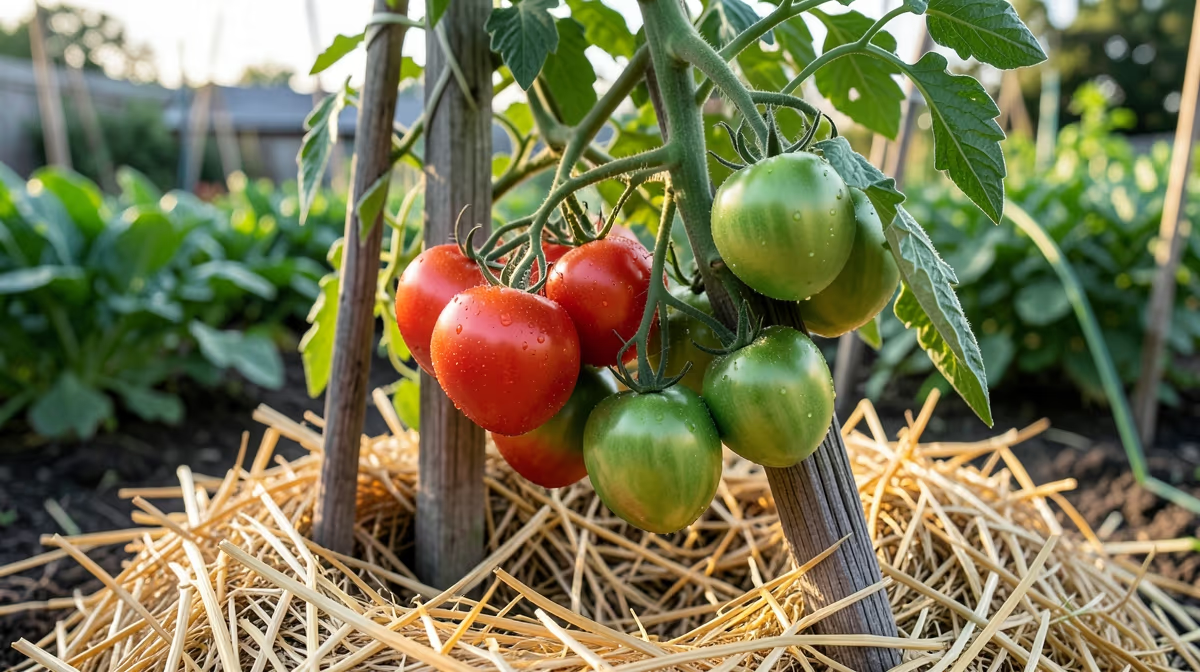
Finding a dark, leathery patch on the bottom of your ripening fruit is incredibly frustrating, but you can easily prevent blossom end rot on tomatoes with the right garden care. This common physiological disorder is not a disease caused by fungi or bacteria, but rather a direct result of a calcium deficiency within the developing fruit itself. Fortunately, you do not need expensive chemicals to fix this issue; instead, you simply need to manage how your plants receive water and nutrients.
Consistent soil moisture is the absolute key to helping tomato plants absorb the calcium they need to stop blossom end rot before it starts.
Why Calcium Matters for Growing Tomatoes
To understand how to stop this issue, it helps to understand how a tomato plant grows. Calcium is a vital nutrient that acts like glue to hold plant cell walls together. If a tomato plant cannot supply enough calcium to the blossom end of a rapidly growing tomato, the cells collapse and die, leaving behind a sunken, black, or brown patch. This most often happens during the plant's first flush of fruit, when rapid growth puts the highest demand on the plant's nutritional supply.
Because calcium is immobile within the plant, it cannot be transferred from older leaves to new fruits. The plant must constantly draw a fresh supply of calcium from the soil through its roots. If this supply chain is interrupted for even a few days, the newly forming tomatoes will develop rot.
Step-by-Step Guide to Prevent Blossom End Rot on Tomatoes
Keeping your tomatoes healthy requires a proactive approach from the day you put them in the ground. By establishing a stable growing environment, you ensure a steady stream of nutrients to the fruit.
- Prepare your soil by mixing in plenty of organic compost to improve water retention and drainage.
- Set up a deep watering schedule that targets the root zone rather than wetting the leaves.
- Apply a thick layer of organic mulch around the base of the plants to keep the soil moisture levels stable.
- Test your soil to confirm the pH is between 6.2 and 6.8, which is the ideal range for nutrient absorption.
- Limit the use of fast-acting, high-nitrogen fertilizers that promote excessive leaf growth at the expense of fruit health.
Mastering Your Watering Schedule
Even if your soil contains abundant calcium, your tomatoes cannot access it without water. Tomato plants absorb calcium through their roots via a process called transpiration, where water travels up the stem and evaporates through the leaves. If the soil dries out completely, this transport system shuts down, causing the plant to starve of calcium.
Conversely, overwatering can saturate the soil, suffocating the roots and preventing them from absorbing nutrients. The goal is to maintain consistent watering so the soil feels like a wrung-out sponge. Aim to water your plants deeply two to three times a week, rather than giving them a shallow sprinkle every day. Deep watering encourages the roots to grow downward, where they can find moisture during hot, dry spells.
Using Mulch and Soil Amendments
Adding a physical barrier on top of your soil is one of the easiest ways to regulate moisture and temperature. Applying a three-inch layer of organic mulch, such as straw, shredded leaves, or clean grass clippings, prevents soil moisture from evaporating rapidly on hot summer days. This barrier also keeps the soil temperature cool, reducing heat stress on the roots.
| Soil Management Action | Why It Helps | Best Time to Apply |
|---|---|---|
| Add Organic Compost | Increases water holding capacity and soil aeration | Before planting in spring |
| Apply Straw Mulch | Prevents evaporation and keeps soil moisture even | Immediately after planting |
| Mix in Agricultural Lime | Raises soil pH and directly adds calcium | Autumn or early spring |
Choosing the Right Fertilizers
The type of plant food you choose can directly influence how well your tomatoes absorb calcium. Fertilizers high in ammonium nitrogen, potassium, or magnesium can compete with calcium for root uptake. When you feed your plants too much nitrogen, they channel all their energy into growing lush green leaves, leaving the developing fruit with nothing.
Avoid using high-nitrogen fertilizers once your tomato plants start flowering, as excess vegetative growth diverts calcium away from the developing fruit.
Instead, use a balanced fertilizer formulated specifically for tomatoes. Look for products that list calcium on the ingredient label, and apply them according to the package instructions.
Protecting the Root System
A healthy root system is the pipeline for all water and nutrients entering your tomato plant. If you damage the roots, the plant will struggle to take in calcium, even if the soil is perfectly moist and nutritious. Avoid digging or cultivating the soil close to the base of your tomato plants once they are established. If you need to remove weeds, pull them gently by hand rather than using a sharp hoe that could slice through shallow feeder roots.
Tomato Varieties to Consider for Easier Growing
Some tomato varieties are naturally more vulnerable to blossom end rot than others. Large, elongated paste tomatoes, such as Roma and San Marzano, have a high water-to-flesh ratio and struggle more with calcium transport. If you find this issue recurring in your garden year after year, try planting round slicing tomatoes or small cherry and grape varieties, which are highly resistant to the condition due to their smaller fruit size.
Frequently Asked Questions
Can you save a tomato that has blossom end rot?
No, you cannot reverse the rot once it has formed on an individual tomato. It is best to pick and discard the affected fruit so the plant can direct its energy and calcium toward growing healthy new tomatoes.
Does putting eggshells in the planting hole prevent blossom end rot?
While eggshells contain calcium, they break down very slowly in the soil and will not provide immediate relief to your plants. For a faster-acting calcium boost, use agricultural lime or a water-soluble calcium spray designed for plants.
Does Epsom salt help prevent blossom end rot?
No, Epsom salt consists of magnesium sulfate, which does not contain calcium. In fact, adding too much magnesium to your soil can actually block your tomato plants from absorbing the calcium they need.
How long does it take to fix blossom end rot?
Once you correct your watering habits or adjust the soil, new tomatoes forming on the plant should grow healthy and rot-free. It generally takes about one to two weeks for the plant's internal nutrient balance to stabilize.
Conclusion
Preventing blossom end rot requires focusing on consistent soil moisture, healthy root systems, and proper nutrition rather than quick-fix remedies. By setting up deep watering habits, laying down mulch, and avoiding high-nitrogen fertilizers, you can easily prevent blossom end rot on tomatoes. With these simple adjustments, your garden will reward you with a bounty of perfectly ripe, juicy, and healthy fruit all summer long.


