
Difference between compost and fertilizer in home gardening
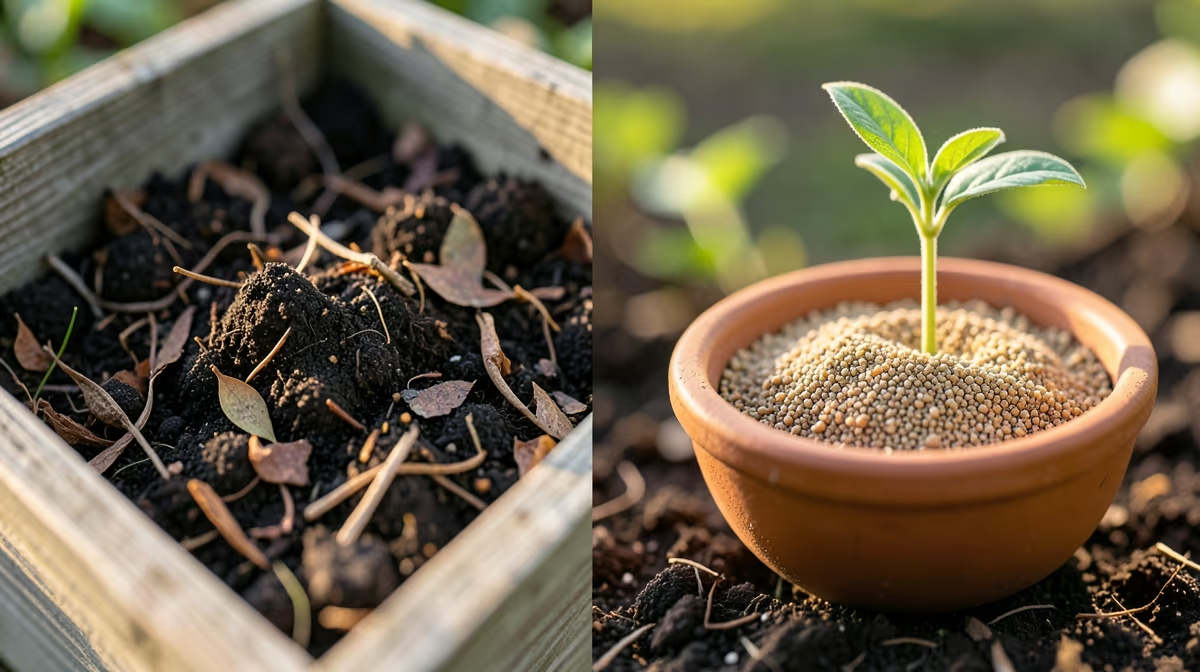
Finding the right way to feed your garden starts with understanding the difference between compost and fertilizer. While both products help your plants grow, they perform entirely different jobs in your garden soil.
Compost feeds and builds the soil structure over time, while fertilizer directly feeds the plants with specific, concentrated nutrients.
How Compost Works to Build Your Soil
Compost is decomposed organic matter made from decayed leaves, food scraps, and yard waste. Think of it as a slow-release soil conditioner rather than a quick plant food. When you add it to your garden, you are introducing beneficial microorganisms, earthworms, and organic material that improve the soil structure. This helps sandy soil hold onto water and loosens clay soil so roots can breathe. While compost contains some nutrients, its main job is to create a thriving, sponge-like soil environment where plant roots can naturally find what they need over many years.
How Fertilizer Works to Feed Your Plants
Fertilizer is a concentrated dose of specific plant nutrients, primarily nitrogen, phosphorus, and potassium. Unlike compost, fertilizer does nothing to improve the physical quality or biological life of your soil; it bypasses the soil structure to feed the plant roots directly. You will find fertilizers in chemical or organic forms, such as liquids, powders, or granules, designed to deliver a specific NPK ratio to target rapid growth, root development, or flower production. Because fertilizers are highly concentrated, they work quickly but must be applied carefully to avoid damaging your plants.
Compost vs Fertilizer Comparison
To help you decide which one your garden needs, it is helpful to look at how they compare side by side across key categories.
| Feature | Compost | Fertilizer |
|---|---|---|
| Primary Target | Soil health and structure | Direct plant nutrition |
| Nutrient Concentration | Low and slow-releasing | High and fast-acting |
| Application Method | Mix into soil or spread as mulch | Apply to soil surface or foliage |
| Microorganisms | Abundant and beneficial | None |
| Risk of Root Burn | Extremely low | Moderate to high |
When to Use Compost in Your Garden
You should use compost as a foundational step whenever you are preparing new garden beds, planting trees, or refreshing your vegetable garden. It is best applied in the spring or fall by spreading a two-inch layer over your soil and gently working it into the top few inches. It works perfectly as a mulch to retain moisture and suppress weeds while slowly releasing trace elements into the ground. If your soil feels dry, sandy, or heavy like concrete clay, compost is the ultimate long-term remedy.
When to Use Fertilizer for Your Plants
Fertilizer is the right choice when your plants need immediate nutritional support during their active growing phase. Vegetable plants like tomatoes, which require massive amounts of energy to produce fruit, benefit greatly from regular feeding. You should also rely on fertilizer for container plants, as potting soil quickly loses its nutrients through repeated watering. If your plants show signs of nutrient deficiencies, such as yellowing leaves or stunted growth, a balanced fertilizer can provide a rapid rescue.
Over-fertilizing can lead to salt buildup in the soil, which dehydrates plant roots and causes leaf tips to turn brown and crispy.
Can You Use Both Together?
Yes, using compost and fertilizer together is often the best strategy for a highly productive garden. Compost provides the healthy, sponge-like foundation that retains water and supports microbial life, which actually helps your plants absorb fertilizers more efficiently. When you use both, you can often reduce the amount of fertilizer you need to apply, saving money and preventing nutrient burn from excess chemical runoff.
Frequently Asked Questions
Can compost replace fertilizer entirely?
While compost is excellent for soil health, it may not contain enough concentrated nutrients for heavy-feeding plants like tomatoes or squash. For best results, use compost to build soil structure and supplement with fertilizer during peak growing seasons.
Is compost considered an organic fertilizer?
Technically, compost is a soil amendment rather than a fertilizer because its primary purpose is to improve soil structure, not deliver specific nutrient doses. However, it does contain organic matter and mild, slow-release nutrients that feed plants naturally over time.
Can too much compost hurt plants?
It is very difficult to harm plants with compost because it is mild and slow-acting. However, planting directly into 100 percent compost without any real mineral soil can lead to drainage issues and nutrient imbalances.
How often should I add compost to my garden?
You should add a one-to-two-inch layer of fresh compost to your garden beds once or twice a year, typically in the early spring before planting or in the autumn during cleanup. This keeps the soil organic matter levels consistently high.
Which is better for houseplants, compost or fertilizer?
Fertilizer is generally better and cleaner for houseplants because indoor potting mixes drain rapidly and need targeted nutrient replenishment. Adding raw compost to indoor pots can sometimes introduce pests like fungus gnats and may disrupt drainage.
Conclusion
Understanding the difference between compost and fertilizer helps you make the right choices for your garden. Use compost to feed your soil and build its structure for the long term, and use fertilizer to feed your plants exactly what they need when they need it. Together, these two tools will keep your garden thriving season after season.


