
Learn how to prune roses for more blooms for a stunning garden
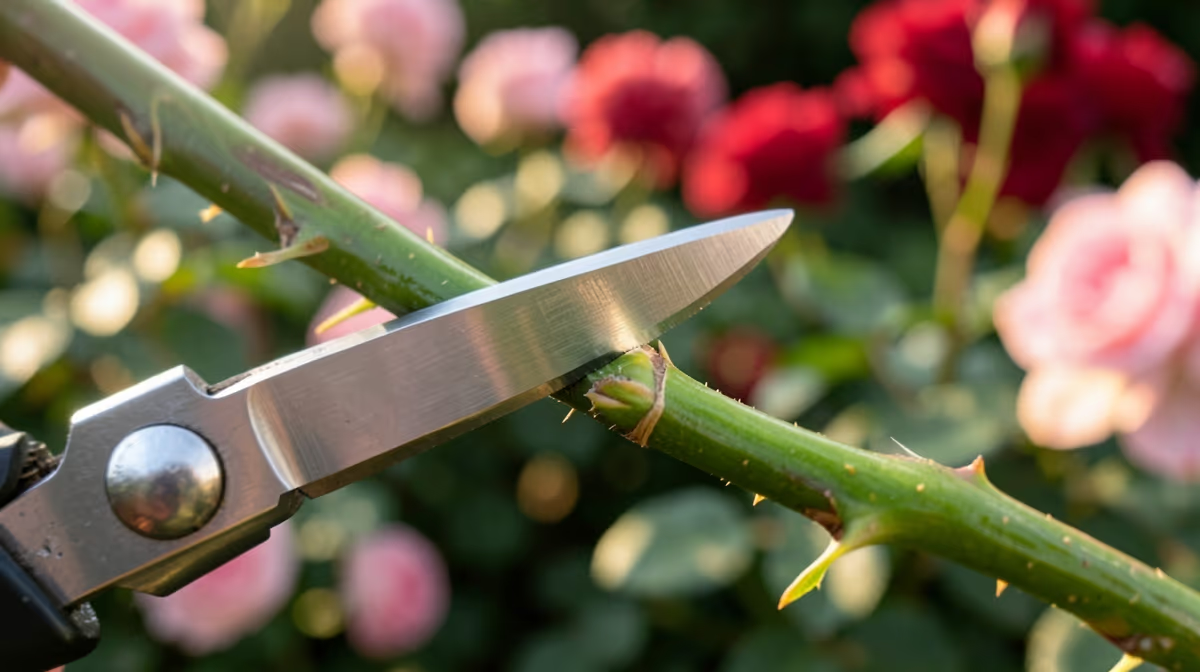
Growing healthy, vibrant roses filled with colorful petals is one of the most rewarding parts of gardening. Learning how to prune roses for more blooms is the single most effective way to transform leggy, tired bushes into flowering powerhouses. While cutting back your prized plants might feel intimidating at first, roses are incredibly resilient. Pruning is not about hurting the plant; it is about directing its energy away from old, unproductive wood and into fresh, vigorous growth that will carry a heavy load of buds. With a few proper tools and some basic techniques, you can easily stimulate your roses to produce an abundance of spectacular flowers season after season.
Pruning encourages new growth, and since most roses flower on new stems, cutting back old wood directly triggers a flush of fresh, abundant blooms.
The Essential Tools You Will Need
Before you make your first cut, gathering the correct equipment ensures clean cuts that heal quickly, preventing disease from entering the plant. Using the wrong tools can damage the stems, leaving them jagged and prone to rot.
- bypass pruners: These shears act like scissors, with two sharp blades sliding past each other to make a clean, sharp cut. Avoid anvil-style pruners, which crush the stems and invite pests or disease.
- Long-handled loppers: Essential for reaching into the center of thick bushes and cutting through heavy, woody canes that are too thick for hand shears.
- Heavy-duty gardening gloves: Gauntlet-style leather gloves that protect your hands, wrists, and forearms from sharp thorns are highly recommended.
- Disinfectant: Rubbing alcohol or a household disinfectant spray to clean your blades between bushes, preventing the spread of fungal pathogens.
When is the Best Time to Prune?
Timing is critical when you want to maximize flower production. For most classic garden roses, major pruning should happen in the late winter or early spring, just as the dormant buds begin to swell but before they burst into leaves. A common natural cue is when the yellow forsythia bushes in your neighborhood start to bloom. If you prune too early, late frosts can damage the tender new growth triggered by your cuts. If you prune too late, the plant will have already wasted valuable energy growing leaves that you will end up cutting off.
Different types of roses require slightly different timing to ensure you do not accidentally cut away this season's flower buds.
| Rose Category | Best Pruning Window | Pruning Goal |
|---|---|---|
| Hybrid Tea and Grandiflora | Early spring, as buds swell | Low, open structure for large single flowers |
| Shrub and Landscape Roses | Early spring | Light shaping to maintain form and density |
| Climbing Roses | Late summer, immediately after flowering | Training structural canes, cutting side shoots |
| Once-Blooming Heritage Roses | Early summer, right after the bloom cycle | Cleaning up old wood without losing next year's buds |
Five Steps to Prune Roses for More Blooms
Once you have your clean tools ready and the timing is right, follow these five logical steps to open up your rose bush and prepare it for a massive flush of flowers.
- Remove the three Ds: Start by inspecting the entire plant and cutting away any wood that is dead, damaged, or diseased. Dead wood looks dry, brown, or black, while healthy canes are green on the outside with white centers when cut. Cut these problematic canes right down to the healthy base or graft union.
- Clean out the center of the bush: Remove branches that grow inward toward the center of the plant. Crossing branches rub against each other, creating wounds where diseases can enter. Opening up the center of the bush allows sunlight to reach the lower stems and improves air circulation, which naturally prevents fungal infections like black spot.
- Eliminate thin, weak growth: Look for any spindly stems that are thinner than a pencil. These weak canes will never be strong enough to support heavy rose blossoms and will only end up drooping to the ground. Cut them back completely to encourage the plant to focus its energy on its strongest canes.
- Prune the healthy remaining canes: On your remaining strong canes, make cuts to shape the bush and stimulate growth. Cut each cane back by about one-third to one-half of its original length, always cutting just above an outward-facing bud eye. This encourages the plant to grow outwards in a beautiful vase shape rather than inwards.
- Clean up the surrounding soil: Once you are finished cutting, rake up all the fallen leaves and pruned twigs from around the base of the plant. Do not leave this debris on the ground, as it can harbor pests and fungal spores over the winter. Dispose of this material in the trash rather than your compost pile if you suspect any disease was present.
Mastering the Perfect Pruning Cut
How you physically make each cut directly impacts how fast the rose heals and how many flowers it eventually produces. A clean, precise cut allows the plant to seal the wound quickly, while a messy, jagged cut invites moisture and disease-causing pathogens.
Always make your cuts about one-quarter of an inch above an outward-facing bud eye, sloping down and away from the bud to prevent water from pooling on the growth point.
If you cut too close to the bud, you risk drying out and killing the dormant eye. If you cut too far away, you leave a long stub of dead wood that will slowly rot and become a pathway for insect pests. A perfect 45-degree angle ensures that rainwater and morning dew slide off the cut surface quickly, keeping the wound dry and clean while it heals.
Post-Pruning Care to Support Heavy Blooming
Pruning is only the first step in the process. Because heavy pruning triggers rapid, vigorous growth, your roses will need plenty of fuel to produce those spectacular new blooms.
Immediately after pruning, apply a well-balanced fertilizer designed specifically for roses to the surrounding soil, following the package instructions. Water the area deeply to help the nutrients reach the root zone. Applying a fresh, two-inch layer of organic mulch around the base of the plant—making sure to keep it a few inches away from the main stems—helps retain soil moisture and suppresses competing weeds, giving your roses the best possible environment for a stunning floral show.
Frequently Asked Questions
What happens if I do not prune my roses?
If left unpruned, roses eventually become a tangled, woody mess with sparse, smaller flowers. Old wood produces fewer buds, and the dense interior of the bush blocks sunlight and air, making the plant highly susceptible to fungal diseases.
Can you prune roses too hard?
Cutting a rose bush back too severely can weaken the root system and delay flowering. However, most modern roses are highly resilient and will recover from hard pruning, though they may take longer to produce their first flush of blooms.
Do I need to prune climbing roses the same way as bush roses?
Climbing roses require a different approach. You should leave their main structural canes alone to grow long, and only prune the side shoots that branch off those main canes back to about two or three buds in late summer.
How do I identify a bud eye on a rose stem?
A bud eye is a small, slightly swollen bump on the stem where a leaf was once attached, often showing a hint of pink or red. It is the point from which new stem growth and future flowers will emerge.
Conclusion
Pruning your roses is not a task to fear, but a straightforward way to unlock their full blooming potential. By using clean tools, timing your cuts with the early spring bud swell, and focusing on opening up the center of the plant, you set your roses up for a healthy and highly productive season. Consistent, mindful care will reward you with a garden full of lush, vibrant, and abundant flowers.


