
Natural ways to keep aphids off garden plants and protect your yard
Finding tiny, sap-sucking pests clustered on your prize roses or tender tomato starts can be incredibly frustrating. Fortunately, you do not need harsh chemical sprays to protect your backyard oasis. Using natural ways to keep aphids off garden plants is safer for your family, your soil, and the beneficial insects that visit your yard. These simple methods utilize biological controls, physical barriers, and homemade solutions to manage pest populations effectively. By taking a proactive, ecological approach, you can restore balance to your garden and keep your vegetation thriving throughout the growing season.
The most effective strategy against aphids is a multi-layered approach that combines physical removal with attracting predatory insects and using mild organic sprays.
Understanding Your Tiny Garden Foes
Aphids are small, pear-shaped insects that feed by piercing plant tissues and sucking out the sugary sap. They can be green, black, yellow, brown, or pink, and they often cluster on the undersides of leaves or around tender new growth. As they feed, they excrete a sticky, sweet substance called honeydew. This residue attracts ants and can lead to the growth of a dark fungus known as sooty mold. Because aphids reproduce rapidly, a small infestation can grow into a major issue in just a few days. Recognizing the signs of their presence, such as curled leaves, stunted growth, or a sticky residue on your garden foliage, is the first step toward reclaiming your backyard growing space.
Physical Methods to Remove Aphids Immediately
If you spot a small colony of pests on your prized flowers or vegetables, you can take immediate action to disrupt them before they spread further. These mechanical solutions require no special ingredients, are completely free, and can be done right away to protect your investments.
- Blast them with water: Adjust your garden hose nozzle to a strong, sharp spray and direct it at the infested areas. A forceful stream of water easily knocks aphids off the stems and leaves without damaging the plant itself. Once knocked to the ground, these slow-moving, soft-bodied pests rarely find their way back up the plant stems and usually die of starvation or are eaten by ground-dwelling predators like beetles and spiders.
- Hand-picking: For sturdy plants with minor infestations, put on a pair of soft gardening gloves and gently wipe the pests off the leaves, squishing them as you go. You can also use a damp paper towel to wipe them clean from delicate flower buds.
- Pruning: If a single leaf, branch, or flower stem is heavily congested with hundreds of pests, prune that specific section off using clean garden shears. Immediately drop the infested foliage into a bucket of hot, soapy water to destroy the pests before they can migrate to neighboring plants.
Natural Sprays You Can Make at Home
When physical removal is not enough to manage the population, mild homemade sprays can help control the pests without leaving toxic chemical residues in your garden soil. These solutions are safe for edible crops and break down quickly in the environment.
To make a basic insecticidal soap spray, mix one tablespoon of liquid castile soap into one quart of warm water. Avoid using harsh dish detergents, degreasers, or laundry products with synthetic fragrances, as these can strip the protective waxy coating from your plant leaves and cause severe chemical burns. Pour the mixture into a clean spray bottle and thoroughly coat the affected foliage, paying close attention to the undersides of the leaves where pests hide.
Another excellent option is neem oil, a natural botanical extract harvested from the seeds of the neem tree. Mix one teaspoon of pure, cold-pressed neem oil with half a teaspoon of liquid castile soap and one quart of warm water. The soap acts as an emulsifier to help the oil mix thoroughly with the water. Spray this solution on your plants in the early evening to disrupt the feeding, development, and reproductive cycles of the pests.
Always test any homemade spray on a single leaf twenty-four hours before treating the entire plant to ensure it does not cause leaf scorch.
Attracting Beneficial Insects to Do the Work
Mother Nature has her own highly efficient pest control crew that can handle infestations for you. Attracting predatory insects to your yard is one of the most sustainable, long-term natural ways to keep aphids off garden plants without lifting a finger.
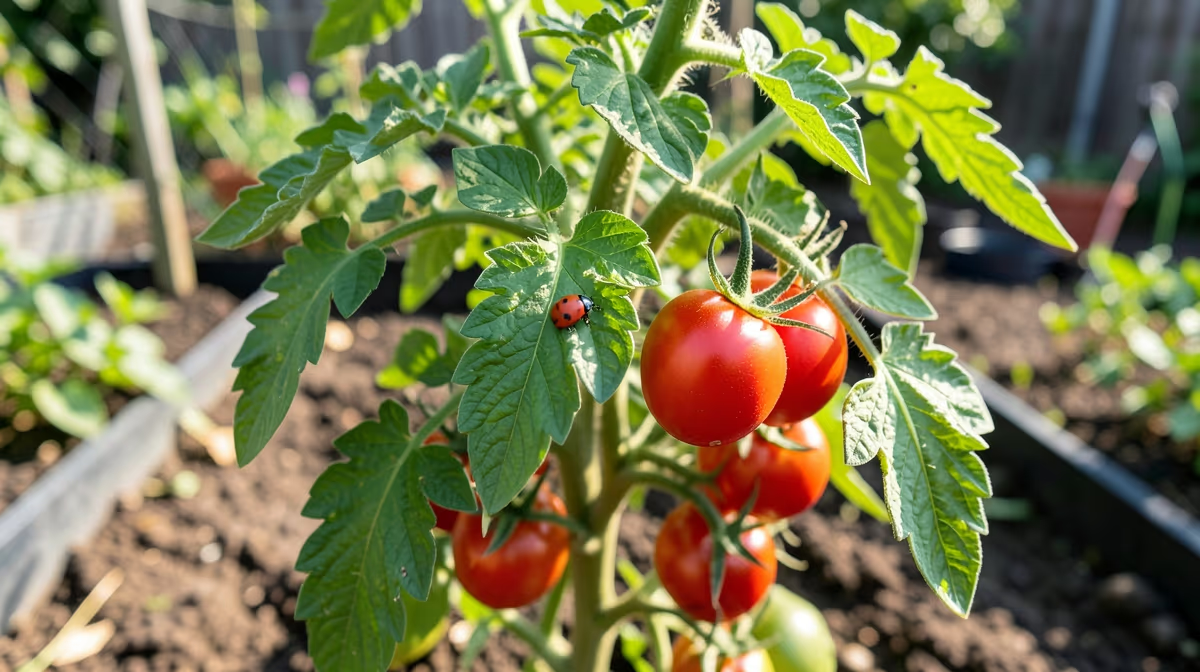
Ladybugs, green lacewings, and hoverflies are voracious predators of soft-bodied garden pests. A single ladybug larva can consume hundreds of pests during its developmental stage before turning into the familiar red beetle we all recognize. To invite these helpful bugs into your garden, plant nectar-rich flowers that provide them with food when pest populations are low. This keeps them nearby so they can spring into action the moment pests arrive.
- Sweet alyssum: These tiny, fragrant white flowers grow close to the ground and are highly attractive to beneficial hoverflies and tiny predatory wasps.
- Dill and fennel: Allowing these herbs to mature and produce flowers creates flat, umbrella-like bloom clusters that ladybugs and lacewings love to land on.
- Marigolds: These bright, cheerful blooms attract ladybugs and hoverflies while adding vibrant color to your vegetable beds and borders.
Companion Planting as a Natural Shield
Strategic garden design can confuse, repel, or distract pests naturally. This method, often called trap cropping, involves planting specific fast-growing varieties that attract pests away from your prized vegetables and delicate flowers.
Nasturtiums are an exceptional trap crop for garden pests. These flowering annuals are highly attractive to aphids, drawing them away from nearby tomato, squash, or pepper plants. Once the nasturtium leaves become heavily infested with the pests, you can carefully prune and discard the affected foliage, keeping your main harvest clean and untouched.
Alternatively, you can plant strong-smelling herbs and vegetables to repel pests from the area. Onions, garlic, chives, and leeks release strong aromatic compounds that mask the scent of vulnerable plants, making it difficult for searching pests to locate their targets. Interplanting these pungent alliums throughout your garden beds creates an invisible chemical shield that deters pests naturally.
Essential Preventive Habits for a Healthy Garden
Healthy plants are naturally more resilient against pest attacks and can recover much faster from minor damage. By practicing smart gardening habits, you can discourage pests from setting up home in your yard in the first place.
First, manage your fertilizer application carefully. Excessive nitrogen fertilizer promotes rapid, succulent new green growth, which is the absolute favorite food source for aphid colonies. Opt for slow-release organic compost, leaf mold, or worm castings instead, which feed your plants gradually and support balanced, sturdy root and stem growth.
Second, maintain clean garden beds. Remove weeds regularly, as many common wild weeds serve as host plants for pests during the early spring before your garden vegetables are planted. Finally, inspect new plants thoroughly at the local nursery before bringing them home. Checking the undersides of leaves and soft leaf joints ensures you do not accidentally introduce a pest colony into your clean garden.
A Comparison of Natural Control Methods
Selecting the right approach depends on the severity of your infestation and how much time you have to manage it. The table below outlines how these popular natural methods compare.
| Control Method | Effort Level | Speed of Results | Long-term Protection |
|---|---|---|---|
| Water Spray Blast | Low | Immediate | Low (requires repeat applications) |
| Insecticidal Soap | Medium | 24 to 48 hours | Low (only kills on contact) |
| Beneficial Insects | Low (after planting) | Moderate (takes weeks to build) | High (self-sustaining system) |
| Companion Planting | Medium | Slow (seasonal) | High (permanent shield) |
Frequently Asked Questions
Can vinegar get rid of aphids?
Yes, vinegar can kill aphids on contact due to its high acidity, but it can easily burn your plant's leaves. If you choose to use it, dilute white vinegar heavily with water and test it on a single leaf first to prevent damage.
Will dish soap kill aphids without hurting plants?
Regular commercial dish soaps often contain degreasers and synthetic chemicals that can damage your plant's protective leaf cuticle. It is much safer to use a pure, liquid castile soap mixed with warm water for your homemade sprays.
How often should I spray my plants with natural remedies?
You should apply natural sprays like insecticidal soap or neem oil every five to seven days until the pests are gone. Always reapply the spray after a heavy rain, as water will wash away the active ingredients.
Why are ants crawling on my plants with aphids?
Ants are attracted to the sweet, sticky honeydew that aphids excrete as they feed. The ants actually protect the aphids from natural predators like ladybugs in exchange for this sweet food source.
Conclusion
Managing garden pests does not require harsh chemical interventions that disrupt the local ecosystem. By using physical removal, mixing safe homemade soap sprays, and planting species that invite beneficial predators, you can naturally keep pests under control. With consistent monitoring and healthy soil habits, your garden will remain vibrant and productive all season long.


