
Mulching mistakes that harm plant roots can destroy your garden
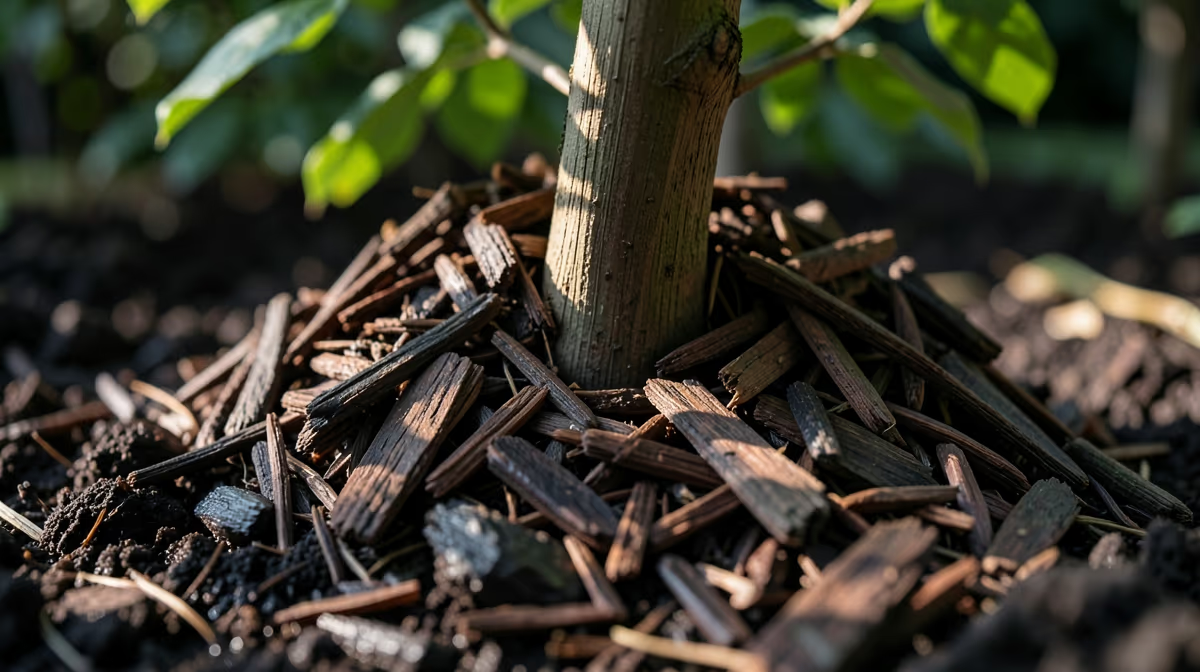
Mulch is one of the best tools for a healthy garden, but applying it incorrectly can quietly destroy your plants from the ground up. Recognizing and correcting common mulching mistakes that harm plant roots is essential to keep your landscape thriving. While mulch is meant to conserve soil moisture, regulate soil temperature, and suppress weeds, laying it down improperly transforms this beneficial material into a destructive barrier. When roots cannot access air or water, or when moisture is trapped in the wrong places, plants decline rapidly.
Mulch should always act as a loose, breathable blanket for the soil, never a heavy barrier that suffocates roots or traps destructive moisture against plant stems.
The Suffocating Danger of Volcano Mulching
One of the most widespread landscaping errors is piling mulch high against the trunks of trees and the stems of woody shrubs. This practice is commonly referred to as a mulch volcano. When you mound wood chips or bark directly against the bark, you create a dark, permanently wet environment.
Tree bark is designed to be exposed to the air to protect the vascular system underneath. Constant contact with damp mulch causes the bark to soften and rot. This decay breaks down the plant’s primary defense system, allowing wood-boring insects, fungal pathogens, and opportunistic rodents to chew through the trunk and sever the flow of nutrients.
Furthermore, when roots are starved of oxygen due to deep piling, the plant may attempt to grow adventitious roots into the mulch pile itself. These roots, known as girdling roots, wrap around the main trunk over time. As the trunk and the roots expand, they squeeze each other, eventually choking the plant's vascular tissue and causing dieback.
Always leave a clear three-inch gap between the mulch layer and the base of any tree trunk or plant stem to allow the collar to breathe.
How Excessive Mulch Depth Starves Roots of Oxygen
Many gardeners assume that if some mulch is good, more must be better. This logic leads to deep layers of four to six inches of material. A thick layer of heavy mulch creates an impermeable barrier that blocks gas exchange between the soil and the atmosphere.
Plant roots require oxygen to perform cellular respiration, a crucial process that provides the energy needed to absorb water and essential nutrients from the soil. When you smother the soil under a thick mat, the roots literally suffocate. This lack of oxygen can cause the root system to decline, leading to nutrient deficiencies and leaf drop.
Excessive depth also disrupts water movement. A thick layer of mulch can act like a dry sponge during light rains, absorbing all the moisture and letting it evaporate before it ever reaches the soil. Conversely, during periods of heavy rain, a thick layer stays saturated for too long, drowning the root system and inviting root rot pathogens.
Choosing the Wrong Mulch Material for Your Soil
The physical characteristics of your mulch dictate how well your soil breathes and absorbs moisture. Using fine-textured mulches, like double-shredded hardwood or sawdust, on heavy clay soils can create a compacted, concrete-like layer. This compacted layer repels water and prevents oxygen from penetrating the soil.
On the other hand, using fresh, uncomposted wood chips can cause a temporary nitrogen deficiency in the upper soil layer. Soil microbes use nitrogen to fuel their work as they break down highly carbonaceous fresh wood. If the wood chips are mixed into the soil or laid directly over shallow root systems, these microbes will draw nitrogen out of the root zone, leaving none for your plants.
If you have heavy clay soil, choose a coarser mulch like pine bark nuggets, which allows plenty of air circulation. If you must use fresh wood chips, keep them as a top dressing only and never mix them into the planting hole.
Timing Your Mulch Application Incorrectly
Timing is critical when it comes to protecting root systems. Applying mulch too early in the spring traps the winter cold inside the soil. This delays the soil warming up, which in turn stunts early root development and delays the plant’s emergence from dormancy. Cold, wet soil also provides the perfect breeding ground for root-rotting fungi.
Conversely, waiting too late in the summer means the soil has already lost its spring moisture and has baked under the sun, leaving roots stressed and dehydrated before the protective barrier is even laid down.
The ideal window for spring mulching is mid-to-late spring, once the soil has warmed up and spring rains have thoroughly hydrated the ground. For winter protection, apply mulch late in the autumn after the first hard freeze to insulate the roots from extreme temperature swings.
Signs of Root Distress Caused by Bad Mulching
Because roots are underground, you must rely on above-ground warning signs to identify when your mulching practices are causing harm. Plants suffering from suffocating or rotting roots will show clear physiological symptoms.
| Plant Part | Healthy Indicator | Mulch Damage Symptom |
|---|---|---|
| Leaves | Vibrant green, full-sized | Yellowing, premature dropping, stunted growth |
| Stems & Trunk | Dry, firm bark at the soil line | Soft, peeling, or water-soaked bark near ground |
| Root System | Firm, white or light tan feeder roots | Mushy, dark brown or black roots with a sour odor |
| Soil Surface | Damp but crumbly beneath mulch | Bone-dry soil under wet mulch, or sour-smelling mold |
How to Correct Your Mulching Practices
If you realize you have made these mistakes, you can easily reverse the damage before your plants decline completely. Follow these systematic steps to restore a healthy soil environment:
- Pull back existing mulch from the base of all plants, shrubs, and trees to expose the root flare where the trunk begins to widen at the soil line.
- Rake through any compacted, matted mulch layers to break up crusts and allow air to penetrate down to the soil.
- Measure the depth of the mulch; if it exceeds three inches, scrape away the excess and relocate it to compost piles or bare garden paths.
- Inspect the soil beneath the mulch. If it is dry and hydrophobic, gently scratch the surface with a hand fork and water thoroughly before replacing a thin, loose layer of mulch.
- Switch to coarser organic materials if you notice standing water or a sour, fermented smell coming from your current mulch.
Frequently Asked Questions
How deep should mulch be for most plants?
For most garden beds and trees, a depth of two to three inches is ideal. Finer materials like shredded leaves should be kept closer to two inches, while coarser materials like bark nuggets can go up to three inches.
Can too much mulch kill a mature tree?
Yes, excessive mulch piled against the trunk or spread too deeply over the root zone can slowly suffocate a mature tree over several years. It rots the protective bark at the base and starves the root system of essential oxygen.
Should I remove old mulch before applying new mulch?
You do not need to remove old mulch if it has broken down into healthy soil, but you must check the depth first. If the remaining layer is still two inches deep, simply rake it to refresh its appearance rather than adding a new layer on top.
Why does my mulch smell like vinegar or rotten eggs?
A sour smell indicates that the mulch has gone anaerobic, meaning it was piled too tightly and lacked oxygen, causing it to ferment. This anaerobic mulch builds up toxic acids that can quickly scorch plant leaves and damage roots if applied directly to beds.
Conclusion
Mulch is a powerful ally in the garden when applied with care, but improper application can quickly lead to root decline. By avoiding high piles against plant stems, keeping the depth to a moderate two to three inches, and timing your application correctly, you can protect plant roots and ensure your garden thrives year-round. Take a few minutes to inspect your garden beds today and pull back any excess material from your plants' root flares.


