
Signs Your Lawn Needs Aeration and How to Spot Them Early
A healthy, vibrant lawn relies on a strong root system that can freely breathe and absorb water. If your grass looks patchy, thin, or struggles to grow despite regular watering, you might be seeing the classic signs your lawn needs aeration. When the ground beneath your grass becomes too dense, the entire ecosystem of your yard begins to suffocate, preventing vital resources from reaching where they are needed most.
Lawn aeration relieves compacted soil, allowing oxygen, water, and nutrients to reach the roots so your grass can breathe and grow thick again.
Understanding Soil Compaction and Why It Suffocates Grass
To understand why your yard shows physical distress, you must first understand soil compaction. Soil is not just solid dirt; it is a delicate mix of mineral particles, organic matter, and tiny pockets of air and water. In a healthy lawn, these open spaces allow grass roots to spread deep, search for nutrients, and drink in rainfall.
Over time, everyday life presses down on these air pockets. Heavy clay soils are particularly vulnerable because their microscopic particles naturally stick close together. When the air pockets collapse, the ground turns into a dense, concrete-like barrier. Water cannot penetrate, roots cannot expand, and the soil microbiome dies off from a lack of oxygen. Aeration is the mechanical process of opening up this tight ground to let your yard breathe again.
Six Warning Signs Your Lawn Needs Aeration
Your yard will tell you when it is struggling under compacted conditions. By learning to read these common indicators, you can address soil density issues before your turf suffers permanent damage.
- Pooling Water and Rapid Runoff: If you notice puddles forming on flat areas of your lawn long after a rainstorm has passed, or if water sheets off sloped areas instead of soaking in, your soil is too dense to absorb moisture.
- High Foot Traffic: Areas where children play, dogs run, or family members gather naturally compress over time. If a visible path has worn into your grass, the soil beneath it is almost certainly compacted.
- Thick Layer of Thatch: A small amount of thatch—the layer of organic debris between the green grass blades and the soil surface—is healthy. However, if this layer exceeds half an inch, it behaves like a sponge, soaking up water and preventing it from reaching the ground below.
- Unusually Hard Soil: Walking across your lawn should feel relatively soft and springy. If the ground feels completely solid underfoot, or if you struggle to push a simple garden stake or tent peg into the dirt, the soil is compacted.
- Yellowing or Thinning Grass: When roots are starved of oxygen and nutrients, the grass blades lose their rich green color. You may notice patches of turf turning pale yellow or thinning out entirely, even if you are watering regularly.
- Newly Constructed Homes: Construction equipment, heavy foot traffic, and the stripping away of topsoil during building processes leave backyard soil severely compacted. New sod laid over this compacted ground often struggles to establish roots.
| Soil Indicator | Healthy Soil | Compacted Soil (Needs Aeration) |
|---|---|---|
| Drainage | Water absorbs quickly and evenly | Water pools on top or runs off |
| Root Depth | Deep, resilient roots | Shallow roots, easily pulled up |
| Texture | Spongy and resilient underfoot | Hard and dry, like concrete |
| Grass Color | Deep, consistent green | Patchy, yellow, or pale green |
Simple DIY Tests to Confirm Compaction
If you suspect your lawn is suffering but want to be absolutely sure before renting equipment or hiring help, you can perform two quick, reliable tests at home.
The Screwdriver Test
Take a standard flathead screwdriver or a metal rod about six inches long. On a day when the soil is damp but not soaking wet, try to push the screwdriver vertically into your lawn using only your hand.
If the screwdriver slides easily into the soil up to the handle, your ground has plenty of pore space. If you have to lean your body weight onto the screwdriver or cannot push it more than an inch or two into the ground, your soil is heavily compacted and requires immediate aeration.
The Soil Wedge Test
Using a garden spade, cut a small, wedge-shaped slice of turf out of your lawn about six inches deep. Lift the wedge out carefully to examine the soil profile beneath the grass.
Look closely at the roots. In healthy soil, you will see strong, white roots growing deep down through the soil wedge. In compacted soil, the roots will be short, thin, and forced to grow horizontally near the surface because they cannot penetrate the hard ground below. You can also measure the thatch layer at the top of the wedge; if it is thicker than a finger's width, it is time to aerate. Replace the wedge of soil and press it down gently with your foot when you are finished.
Choosing the Right Time of Year to Aerate
Timing is critical when it comes to aeration. Because the process temporarily disrupts the root system, you must aerate when your grass is in its peak growing season so it can heal and fill in the open holes quickly.
- Cool-Season Grasses: For grasses like Kentucky bluegrass, fescue, and ryegrass, the best time to aerate is early autumn or early spring. Autumn is ideal because the cool air temperatures and warm soil encourage rapid root growth while weed seeds are dormant.
- Warm-Season Grasses: For grasses like Bermuda, Zoysia, St. Augustine, and Bahia, the optimal time to aerate is late spring to early summer. This is when these grasses enter their fastest growth phase and will rapidly recover from the physical disruption.
Never aerate your lawn during active weed invasions or extreme summer heat, as this can stress the grass and encourage weed seeds to take root in the newly opened holes.
Core Aeration vs Spike Aeration
When preparing to aerate, you must choose between two main methods: core aeration and spike aeration.
Spike aeration uses solid, wedge-shaped tines to poke holes into the ground. While this seems effective, it actually pushes the soil outward as the spike enters, creating a ring of highly compacted soil around each hole.
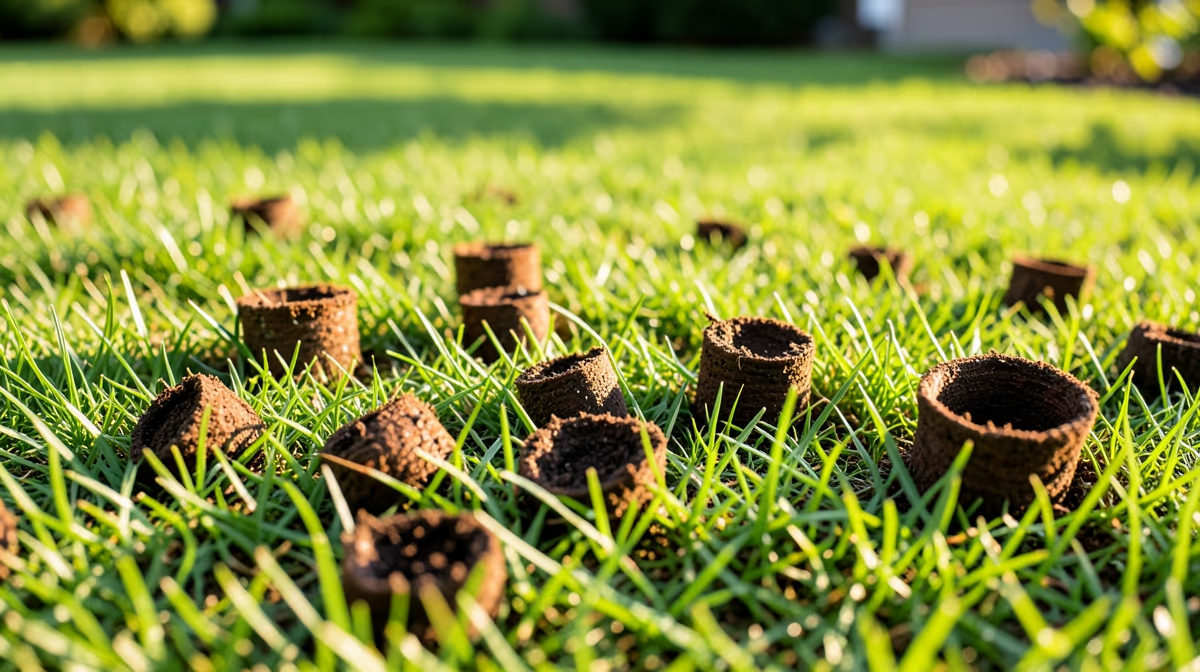
To solve compaction properly, you should always use core aeration. A core aerator uses hollow tines to pull small cylindrical plugs of soil and thatch directly out of the ground. These plugs, usually one to three inches deep, are left on the surface to decompose. This method physically removes soil, leaving open space for the surrounding ground to loosen, expand, and breathe.
Post-Aeration Lawn Care for Maximum Recovery
Once you have completed the aeration process, your lawn is in the perfect state to receive nutrients, moisture, and new seed. Take advantage of the open channels in your soil by following these immediate care steps:
- Leave the soil plugs on the lawn. They will break down naturally within a week or two under rain and mowing, returning beneficial microbes and nutrients back into the soil surface.
- Overseed your lawn immediately while the holes are open. The seeds will fall into the aerator holes, establishing excellent soil-to-seed contact and producing a much higher germination rate.
- Apply a balanced lawn fertilizer to feed the newly exposed root system.
- Water your lawn thoroughly. The open channels will guide the water deep into the root zone, encouraging deeper, stronger root growth over the coming weeks.
Frequently Asked Questions
How often should I aerate my lawn?
Most lawns only need to be aerated once every year or two. If you have heavy clay soil or high foot traffic, annual aeration is best, while sandy soils can easily go three to four years between aerations.
Should I mow my lawn before aerating?
Yes, you should mow your lawn slightly shorter than your usual height before aerating. Shorter grass makes it easier for the aerator tines to penetrate deep into the soil and allows you to easily distribute grass seed afterward.
Can I aerate my lawn if it is dry?
No, you should avoid aerating dry, dusty soil because the aerator tines will struggle to penetrate the hard ground. For the best results, aerate a day after a thorough watering or a moderate rainfall when the soil is damp but not muddy.
Conclusion
Recognizing the signs your lawn needs aeration is the first step toward reviving a thin, patchy yard. By watching for water pooling, checking for compacted soil with a simple screwdriver test, and choosing the correct seasonal timing for core aeration, you can easily restore water flow, air, and nutrients to your grass roots. Taking action to relieve compaction ensures a resilient, lush green lawn that can withstand heat, foot traffic, and changing seasons.


