
Overwinter potted plants before the first frost successfully.
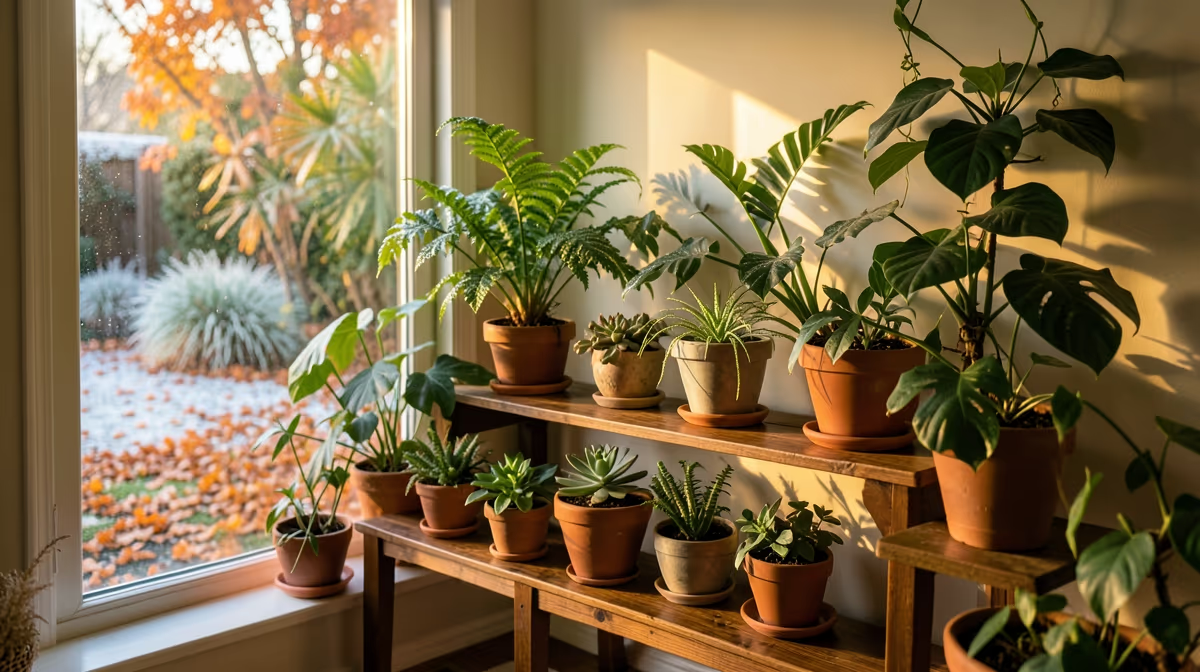
Bringing your vulnerable container garden indoors ensures your favorite greenery survives the cold winter months. Learning how to overwinter potted plants before the first frost is the single best way to protect your investment and keep your plants thriving year after year. As temperatures dip, tropicals, tender perennials, and warm-season herbs face certain death if left exposed to freezing conditions. Taking action early prevents shock and keeps pests out of your living space.
Bringing plants indoors early, cleaning them thoroughly, and mimicking their natural winter dormant cycle are the secrets to successful overwintering.
Determining Which Plants Need to Come Indoors
Before you begin moving pots, you need to know which plants require indoor shelter and which can survive outdoors. Plants are generally classified by their hardiness zones, but container-grown plants are more vulnerable than those planted in the ground. Because pot walls offer minimal insulation, a potted plant's roots are exposed to temperatures up to two zones colder than the ambient air.
Tropical plants, such as mandevilla, hibiscus, bougainvillea, and palms, cannot tolerate temperatures below 50°F (10°C). These must come indoors first. Tender perennials like geraniums, fuchsias, and begonias can handle slightly cooler temperatures but must be moved inside before the thermometer hits 40°F (4°C). Succulents and cacti, with few exceptions, also require indoor protection from freezing rains and frost. Conversely, hardy deciduous shrubs or perennials suited to your zone can often remain outdoors, provided you wrap the pots in burlap or bubble wrap to insulate the root balls.
What You Will Need
Gathering your supplies beforehand makes the transition smoother and cleaner. You do not need expensive equipment, but having the right tools on hand prevents you from scrambling at the last minute when a sudden freeze is predicted.
- Hand pruners or sharp garden shears
- Rubbing alcohol to sanitize pruners
- Insecticidal soap or neem oil spray
- A garden hose with a spray nozzle
- Saucers or drip trays for every indoor pot
- High-quality, well-draining potting mix
- Sticky traps for fungus gnats
Step-by-Step Guide to Overwintering Your Potted Plants
To ensure your plants survive the transition without losing all their foliage or bringing unwanted pests into your home, follow this sequential acclimation process over the course of seven to ten days.
- Inspect and treat for pests: Look closely at the undersides of leaves, along the stems, and in the top layer of soil. Spray the plants thoroughly with insecticidal soap or neem oil a week before bringing them inside to eliminate spider mites, aphids, and scale.
- Prune away excess growth: Trim back any dead, damaged, or diseased foliage. For fast-growing tropicals, you can cut back up to one-third of the overall growth to make the plant more manageable indoors and reduce the moisture demand on its roots.
- Wash the pots and soil: Spray down the exterior of the pots with a hose to remove dirt, spiderwebs, and outdoor debris. Flush the soil thoroughly with water to force any soil-dwelling insects to crawl out of the pot.
- Transition the plants gradually: Move the pots to a shady spot outdoors for a few hours a day, gradually increasing their time in lower light levels over a week. This prevents the shock of moving directly from bright outdoor sun to dim indoor rooms.
- Place in their winter home: Bring the pots inside and place them on saucers to protect your floors. Grouping plants together helps increase the local humidity around them.
Never wait until the night of the first expected frost to move your plants; cold soil temperatures can damage roots days before the air temperature officially hits freezing.
Matching the Right Winter Environment to Your Plants
Different plant groups require distinct environments to make it through the winter. Some plants want to continue growing slowly in a warm, bright room, while others prefer a cool, dark space to enter complete dormancy until spring.
| Plant Category | Light Level | Temperature Range | Watering Needs |
|---|---|---|---|
| Tropicals & Palms | Bright, indirect light | 65°F to 75°F (18°C-24°C) | When the top 2 inches of soil feel dry |
| Succulents & Cacti | Direct sun or grow light | 50°F to 60°F (10°C-15°C) | Only once every 4 to 6 weeks |
| Tender Perennials | Low light or dark basement | 40°F to 50°F (4°C-10°C) | Barely moist, once a month |
| Warm-Season Herbs | Bright south-facing window | 60°F to 70°F (15°C-21°C) | Keep consistently but lightly moist |
Common Mistakes to Avoid During Winterization
Keeping plants alive indoors requires a different mindset than growing them during the spring and summer. Avoiding these common errors will prevent unnecessary plant loss.
- Overwatering: This is the most common cause of plant death in winter. Because indoor air is cooler and plants grow more slowly, they transpire far less water. Excess water leads to soil compaction and deadly root rot.
- Fertilizing during winter: Never feed your plants during their resting phase. Forcing new growth when light levels are low results in weak, spindly, pale stems that are highly susceptible to pests.
- Placing plants near drafty areas or heat vents: Sudden temperature fluctuations stress plants. Keep pots away from front doors, drafty windows, radiators, and heating registers.
- Neglecting humidity levels: Indoor heating dries out the air. Use pebble trays filled with water underneath your pots to raise humidity levels without overwatering the soil.
Signs of Trouble and How to Fix Them
Monitor your plants weekly for any changes in their appearance. Catching issues early makes them much easier to resolve before permanent damage occurs.
- Massive leaf drop: This is a common reaction to shock or low light. Move the plant to a brighter spot and ensure you are not overwatering. Most tropicals will regrow leaves once they adapt.
- Sticky substance on leaves: This is honeydew, a sticky excretion from aphids or scale. Wipe the leaves down with a damp cloth and treat the plant with neem oil.
- Fungus gnats flying around the soil: These pests thrive in wet organic matter. Let the soil dry out completely between waterings and place yellow sticky cards near the soil surface to catch adult gnats.
Frequently Asked Questions
Can I leave terracotta pots outside during winter?
Terracotta is highly porous and absorbs water, which expands when frozen. Leaving terracotta pots outside during freezing weather often causes them to crack and break. It is best to empty them and store them in a garage or shed before the first frost.
How do I know when to bring my potted plants indoors?
You should bring tender plants indoors when overnight temperatures consistently drop to 50°F (10°C). Do not wait for the actual frost date, as cold night winds can severely damage tropical foliage.
Do I need to water my overwintering plants?
Yes, but significantly less than during the summer active growing season. Most dormant or resting plants only need a light watering once or twice a month, while active tropicals should be watered only when the top few inches of soil are dry.
Should I prune my plants before bringing them inside?
Yes, light pruning is beneficial to remove dead foliage, check for pests, and make the plants more compact for indoor spaces. Avoid heavy pruning, as this can stimulate new, weak growth during the dark winter months.
Can I overwinter potted plants in an unheated garage?
Yes, many deciduous plants and hardy perennials can be overwintered in an unheated garage as long as temperatures stay above freezing. This environment is ideal for keeping plants in a dormant state until spring.
Conclusion
Taking the time to overwinter potted plants before the first frost protects your gardening efforts and ensures your plants return healthy in the spring. By selecting the right indoor spots, monitoring water intake, and keeping pests at bay, you can easily maintain your favorite container plants through the coldest months of the year.


