
Watering: How Often Should You Water Succulents Indoors
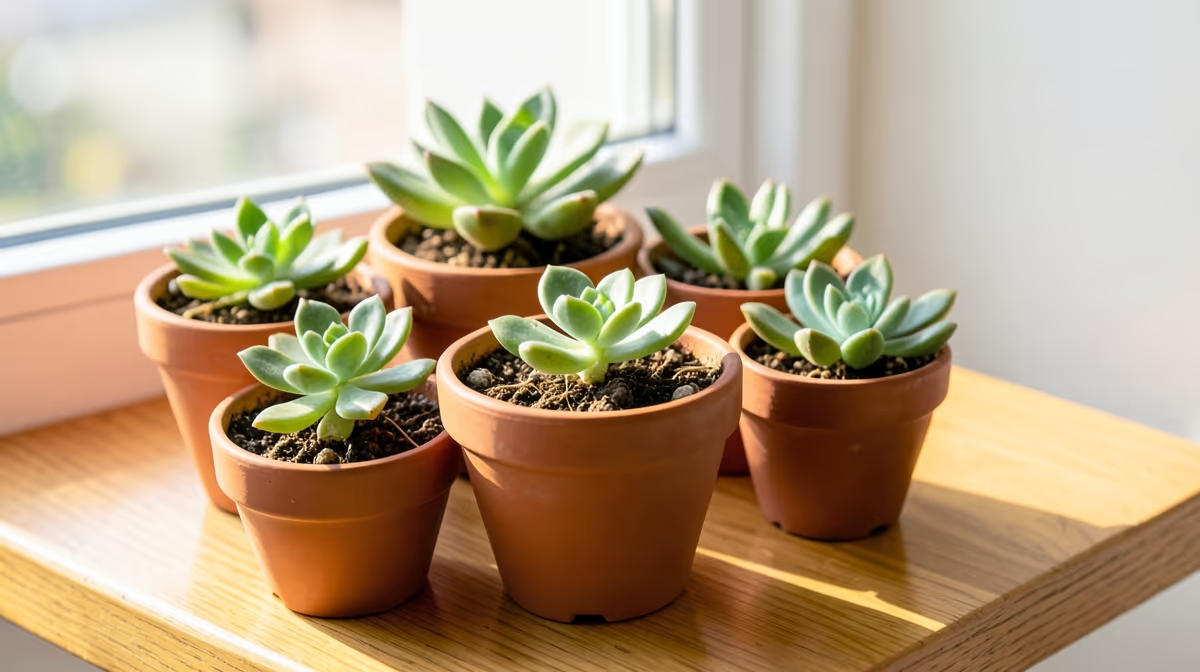
Determining how often should you water succulents indoors is the most important step in keeping these fleshy, sun-loving plants alive inside your home. Unlike typical houseplants, succulents store water in their thick leaves and stems, allowing them to survive long dry spells. Watering them on a strict calendar schedule usually leads to root decay and plant loss. Instead, you must learn to read the soil moisture and the plant's physical cues to provide water only when it is truly needed.
Succulents should only be watered when the potting mix is completely dry from the top of the pot all the way to the bottom.
The Soak-and-Dry Method Explained
To water your indoor succulents successfully, you must mimic their natural desert environment, which experiences heavy downpours followed by prolonged droughts. The best way to achieve this is through the soak-and-dry method. This technique ensures the roots get thoroughly saturated but do not sit in stagnant water.
- Pour water directly onto the soil surface until it flows freely out of the drainage hole at the bottom of the pot.
- Empty the saucer or drip tray immediately so the pot is never sitting in standing water.
- Allow the soil to dry out completely before you even consider watering the plant again.
- Test the moisture levels deep in the pot using a wooden chopstick or your finger before repeating the process.
Bottom Watering as an Alternative
Bottom watering is another excellent way to execute this method, especially for tightly packed pots where soil is hard to reach. Place the succulent's pot into a shallow basin filled with a few inches of water and let it sit for 15 to 20 minutes. The soil will draw moisture upward through the drainage hole via capillary action. Once the top of the soil feels slightly damp, remove the pot from the basin and let any excess water drain completely.
Key Factors That Affect Watering Frequency
There is no single number of days that works for every home. Several environmental factors inside your living space dictate how fast the soil dries out and how often you will need to irrigate.
- Light exposure: Succulents in bright, direct sunlight use water much faster than those kept in low-light conditions.
- Container material: Terracotta and clay pots are porous, allowing water to evaporate through the walls, whereas plastic and ceramic pots trap moisture inside for longer periods.
- Pot size: Small pots dry out much quicker than large pots, which hold a larger volume of soil and moisture.
- Room temperature and humidity: High temperatures and dry indoor air speed up evaporation, requiring more frequent watering.
- Succulent species: Succulents with very thick, plump leaves store more water and need less frequent watering than thin-leaved varieties.
How to Tell If Your Succulent Needs Water
You should never guess whether the soil is dry. Instead of relying on a schedule, use practical testing methods to verify the moisture levels of your succulent container.
The easiest method is the weight test. Pick up the pot immediately after watering to feel how heavy it is, then pick it up when the soil is dry; you will quickly learn to recognize when the pot feels light and needs water. Another reliable method is inserting a dry wooden chopstick deep into the soil. If it comes out with dark soil clinging to it or feels damp, the potting mix is still wet. If it comes out completely clean and dry, it is time to water.
If you prefer a visual solution, you can purchase a digital moisture meter. Insert the metal probe deep into the root zone of the plant; if the needle reads dry or zero, you can safely proceed with watering.
Signs of Overwatering vs. Underwatering
Indoor succulents are highly sensitive to moisture levels, and they will show clear physical signs when they are getting too much or too little water. Overwatering is the most common cause of indoor succulent death, as excess moisture drowns the roots and causes rot.
Overwatered roots rot and lose the ability to absorb water, which can paradoxically make the plant look like it is suffering from underwatering.
Use this comparison table to distinguish between the physical symptoms of these two water-related issues:
| Plant Symptom | Overwatered Succulent | Underwatered Succulent |
|---|---|---|
| Leaf Texture | Soft, mushy, and translucent | Shriveled, wrinkled, and flat |
| Leaf Color | Yellowing or turning black near the stem | Faded, dull, or brown crispy edges |
| Leaf Shedding | Leaves drop off easily at a gentle touch | Old, bottom leaves dry up and fall off |
| Root Health | Black, slimy, and foul-smelling | Dry, brittle, and papery |
Seasonal Watering Adjustments
Your watering routine must change as the seasons transition. Succulents experience active growth periods and dormant periods, which drastically alters their moisture needs.
During the spring and summer, when days are long and warm, indoor succulents grow actively. They require more frequent watering, often once every 10 to 14 days, depending on your indoor climate. In contrast, during the winter, most succulents enter a dormant state. Their growth slows down, and the lack of intense sunlight means soil stays wet much longer. During the winter months, you may only need to water your succulents once every 4 to 6 weeks.
Choosing the Right Soil and Pot
To prevent waterlogging, you must set your plants up for success by using the correct potting materials. Regular potting soil holds onto water for too long, which suffocates succulent roots.
Always plant your indoor succulents in a well-draining potting mix specifically formulated for cacti and succulents. You can also make your own by mixing equal parts of standard potting soil, coarse sand, and perlite or pumice. Additionally, never plant a succulent in a container that lacks a drainage hole. Without a hole at the bottom, water will pool at the base of the pot, ensuring root rot occurs regardless of how carefully you water.
Frequently Asked Questions
Can you spray succulents with water?
No, you should not spray or mist succulents with water. Misting creates a humid environment around the leaves that can cause rot, and it does not deliver enough water to the root system where it is actually needed.
How long can succulents go without water?
Healthy indoor succulents can easily go two to four weeks without water, and some mature varieties can survive for up to two months during their winter dormancy. It is always safer to leave them dry for too long than to water them too frequently.
Is tap water safe for indoor succulents?
Tap water is generally safe for succulents, but sensitive varieties may develop white mineral spots on their leaves from chlorine or hard minerals. If you notice these spots, switch to using rainwater or distilled water.
What should I do if I overwatered my succulent?
Immediately stop watering and allow the soil to dry out completely in a warm, bright location. If the stem or roots have already turned black and mushy, you will need to cut away the rotted portions and propagate the healthy remaining top leaves.
Conclusion
To keep your indoor succulents healthy, avoid calendar schedules and rely entirely on the soak-and-dry method. Always wait for the potting mix to dry out completely before watering again, adjust your frequency according to the season, and use well-draining soil in pots with drainage holes.


